







Wat te eten aan het Comomeer: missoltini, polenta en vis uit het meer
Lake Como’s food is not the Italy most visitors expect. There is very little tomato and not much olive oil. This is Lombardy, at the foot of the Alps, and the kitchen here runs on butter, cornmeal, mountain cheese and whatever the lake gives up that morning. It is a cuisine of fishermen and cowherds that the grand hotels never quite polished away, and if you know what to order you will eat better, and cheaper, than the people at the next table with the tourist menu.
In deze gids
This guide covers the dishes that belong to the lake and nowhere else, the wines and cheeses from the valleys behind it, where each dish is done best, and how to tell a real lakeside kitchen from a menu aimed at the ferry queue.
The dishes of Lake Como
Missoltini: the sun-dried shad
If Lake Como has a single signature dish, this is it. Missoltini (in dialect missultin) are agoni, the lake’s small freshwater shad, caught in late spring and early summer, salted, dried in the sun on racks along the shore, then pressed for months in tins with bay leaves until they take on a deep, salty, almost cured-ham intensity. The tradition is old enough to have shaped the villages: the fish were once currency and tax on the lake. Today it is protected as a Slow Food Presidium.
Missoltini are served grilled, beaten lightly to loosen the skin, dressed with olive oil and a splash of vinegar, and always with a thick slice of grilled polenta. They are strong, salty and unmistakably of this place; some visitors love them at first bite, others need the second. Order them anyway. The best come from the central and upper lake, especially around the Tremezzina and Gravedona.
Risotto con filetti di pesce persico
The dish you will see on every menu from Como to Colico, and the one that best shows the lake’s butter-and-rice character. A plain, saffron-free risotto, cooked in fish stock and finished with butter, is topped with fillets of perch dusted in flour, fried in butter with sage until the edges crisp. It is a Como classic, gentle and rich. When it is done properly the perch is lake perch, not frozen Nile perch from elsewhere; a good kitchen will say so on the menu.
Lavarello and the other lake fish
Lavarello, the lake whitefish, is the everyday fish of Como: delicate, white-fleshed, usually grilled whole or baked with herbs and lemon. Look also for trota, lake and river trout; alborelle, tiny bleak fried whole and eaten like crisps with a glass of white; tinca, tench, traditionally stuffed and baked; and luccio, pike, often served in a mild sauce. A fritto misto di lago gives you several at once. On the eastern shore around Lierna en Mandello del Lario the fishing families still supply the trattorias directly.
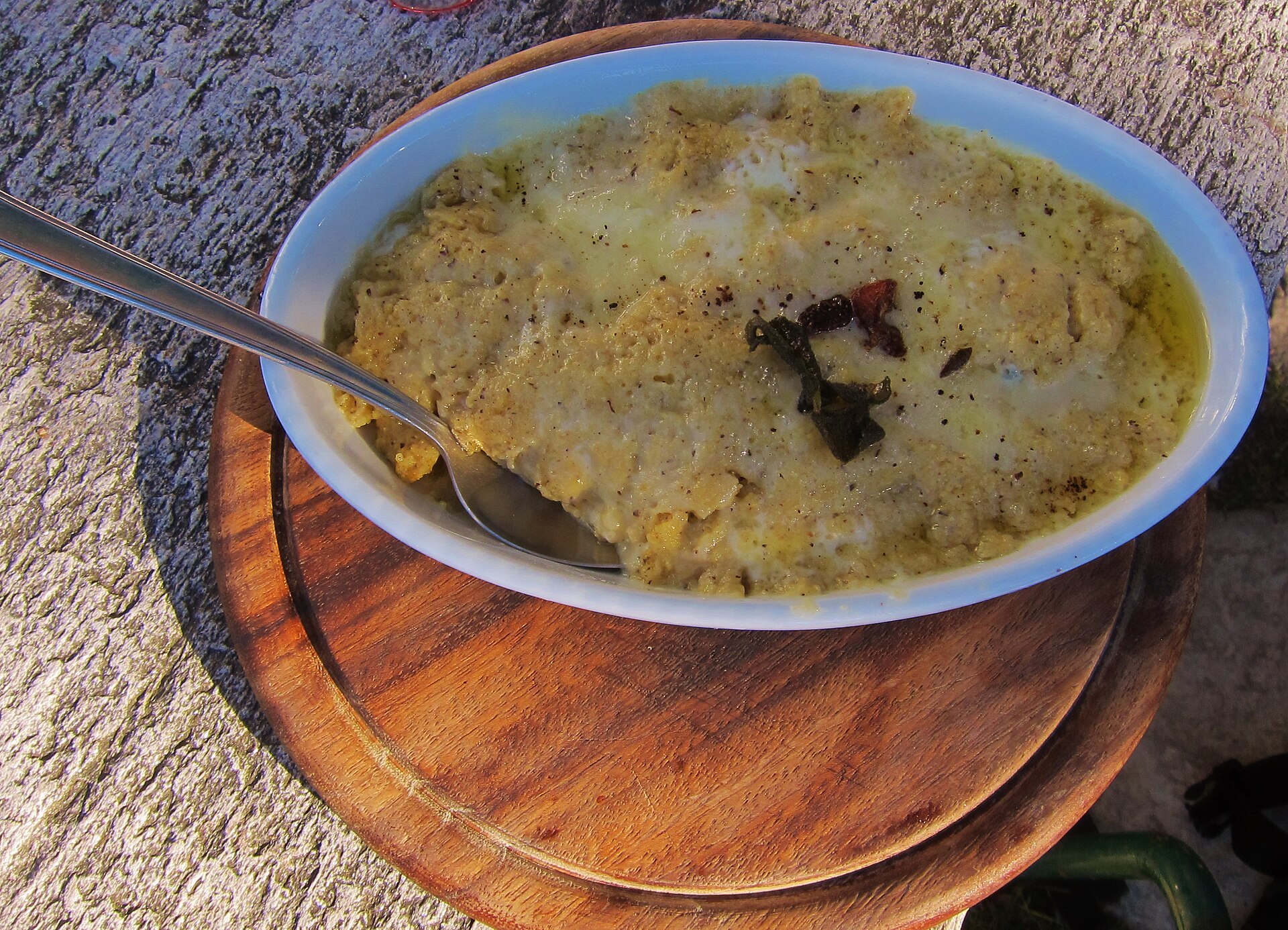
Polenta uncia: butter, garlic, sage and cheese
Polenta is the bread of the lake, and polenta uncia (also spelt oncia, “greased”) is its richest form: cornmeal cooked slowly, layered with local cheese, then drowned in butter that has been browned with garlic and sage. It comes from the alpine pastures above Como and the Valle d’Intelvi and is a mountain dish first, so you will find the best versions in the hill villages and the rifugi, the mountain huts, rather than on the waterfront. Winter is its season, but any restaurant that has it in July is worth trusting.
Its cousin polenta taragna, made with buckwheat flour and stirred with cheese, belongs to the Valtellina and the upper lake. Both go with brasato, beef braised in red wine, or with mountain sausage.
Pizzoccheri and the food of the Valtellina
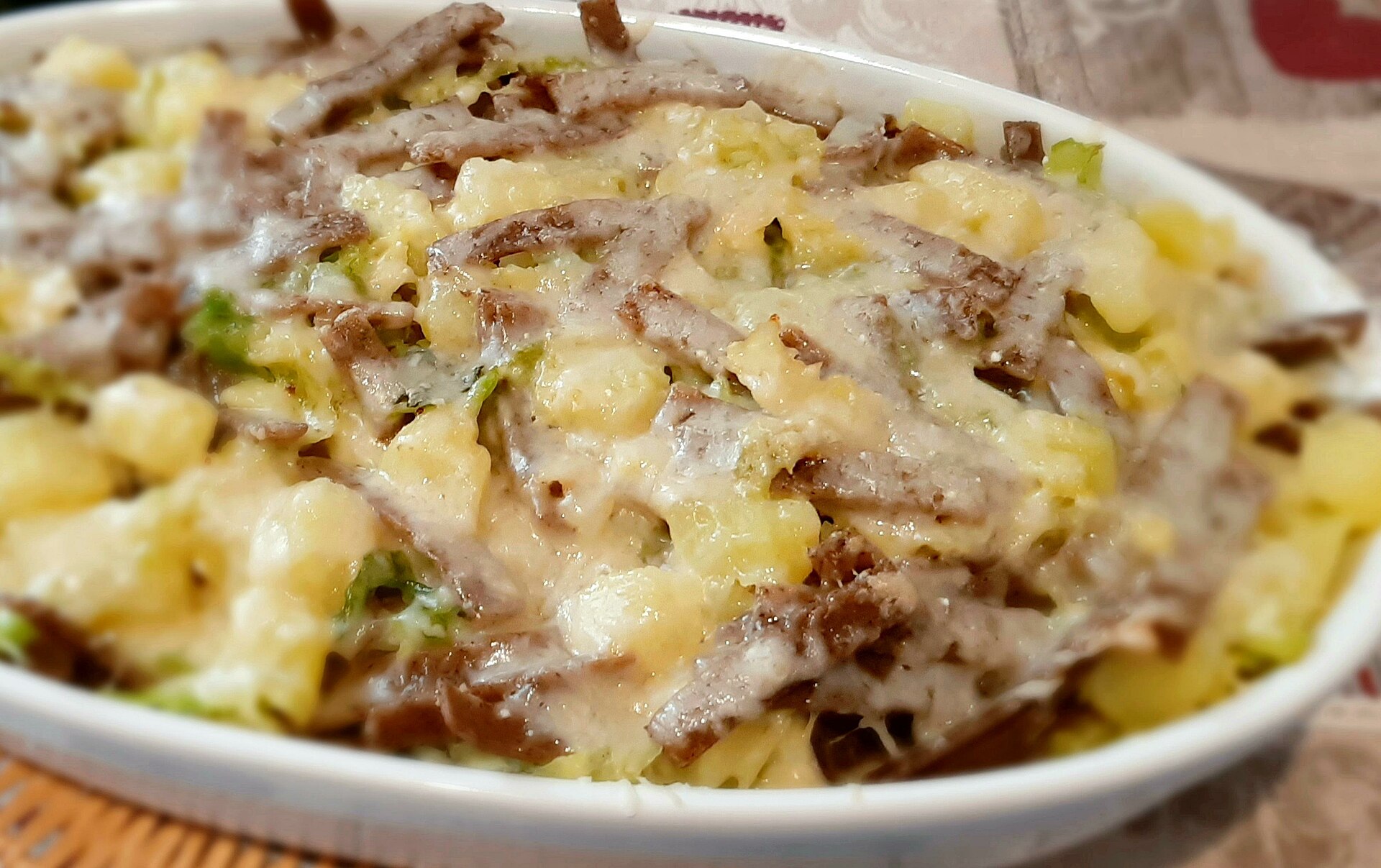
The Valtellina, the long alpine valley that opens onto the top of the lake at Colico, feeds the whole northern half of Lake Como. Its great dish is pizzoccheri: short, flat buckwheat noodles boiled with potato and cabbage, then layered with Casera cheese and finished with garlic butter. Heavy, dark, magnificent, and made for a cold day. From the same valley come sciatt, fritters of buckwheat batter with a molten heart of cheese; bresaola, the air-dried beef that is the valley’s most famous export, served thinly sliced with lemon, oil and rocket; and the cheeses below.
The cheeses
- Bitto DOP: the Valtellina’s summer alpine cheese, aged for years, nutty and intense. The most prized cheese of the region.
- Valtellina Casera DOP: milder, the everyday cheese that goes into pizzoccheri and polenta taragna.
- Zincarlin: a fresh, peppery cheese from the Valle di Muggio and the hills above Como, another Slow Food Presidium, spread on bread or served with polenta.
- Semuda and the small mountain formaggelle of the Lario’s own valleys, often sold only at the farm or the village market.
Lario olive oil
It surprises people that olives grow this far north, but the lake’s microclimate is mild enough that the western shore around Lenno, Ossuccio and the Tremezzina has been pressing oil for centuries. Laghi Lombardi DOP oil from the Lario is light and slightly grassy, and the groves along the Greenway between Colonno and Cadenabbia are where it comes from. Buy a bottle from a farm shop in Lenno or Ossuccio; it is the best edible souvenir of the lake.
Sweets: miascia, masigott and the Resta
Miascia is the lake’s own cake: a dense, rustic bread pudding of stale bread, milk, apples, pears, raisins and sometimes a little cornmeal, baked until the top crusts. Every village and every grandmother has a version. Masigott from Erba is a rougher, cornmeal-and-hazelnut loaf; the Resta di Como is an Easter bread with a twig baked through it, sold in Como’s pastry shops in spring. Ask for whatever is local and you will usually be handed something you have never heard of.
What to drink
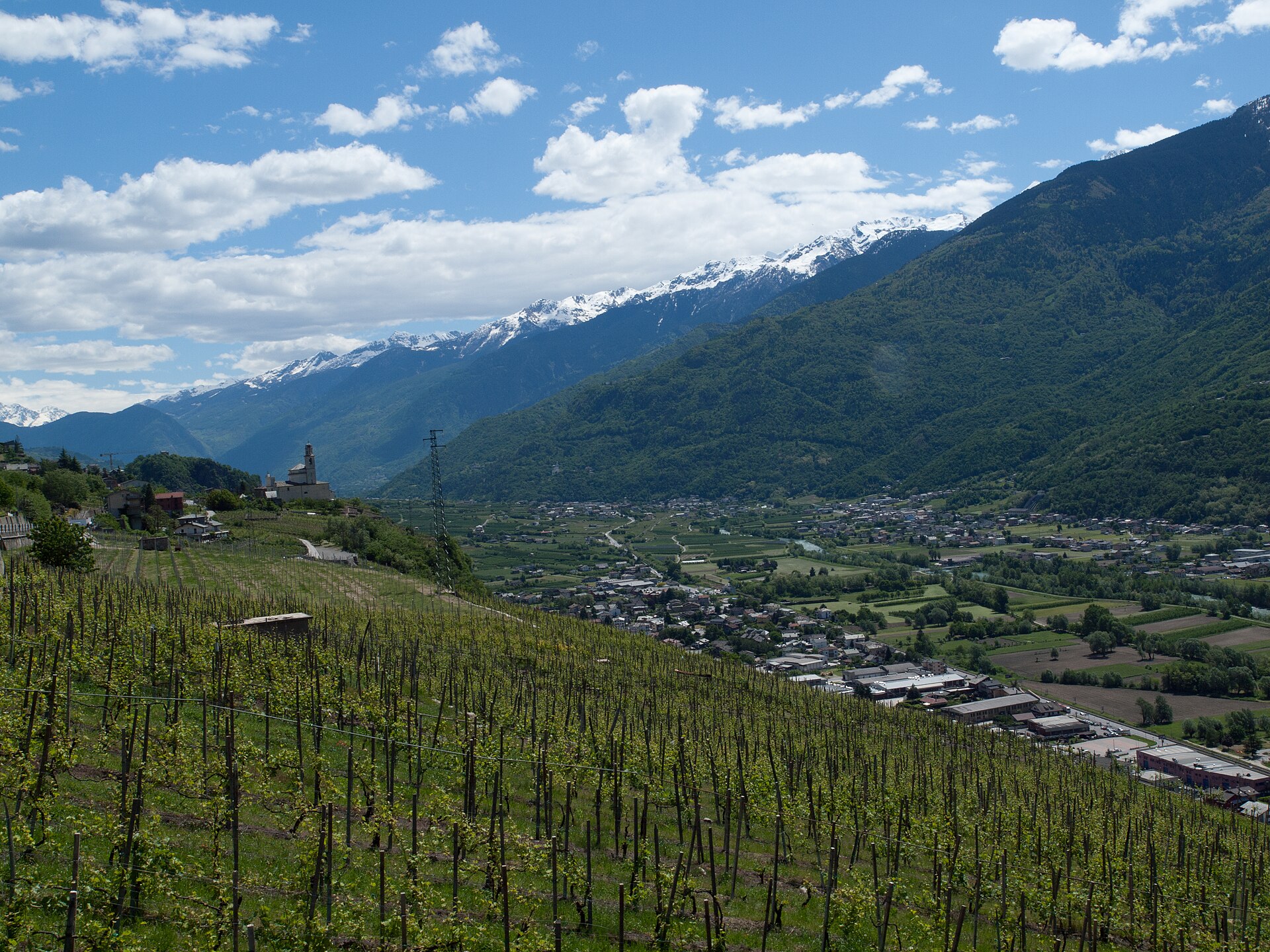
The wine of Lake Como is the wine of the Valtellina, grown on dry-stone terraces so steep that the harvest is carried down by hand. The grape is Nebbiolo, called Chiavennasca here, and it makes an alpine version of Barolo: lighter, more perfumed, with an edge of mountain herbs. Look for Valtellina Superiore DOCG and its named sub-zones, Sassella, Grumello, Inferno en Valgella, and for Sforzato di Valtellina, a powerful wine made from grapes dried on racks after harvest. A good bottle of Valtellina Superiore is the right partner for missoltini, brasato and anything with polenta.
Around the lake itself a small revival is under way: the IGT Terre Lariane wines from Domaso and the hills above the western shore are worth trying by the glass. For aperitivo, the lake drinks like the rest of Lombardy: a Spritz or a Negroni Sbagliato on a terrace facing the water at seven o’clock. And in Piona, the Cistercian monks of the abbey still make herbal liqueurs that you can buy at the door.
If you want to taste a flight of Valtellina wines with someone who can explain them, our Como city audioguide with wine tasting pairs a walk through the old town with a guided tasting.
Where each dish is done best
| Dish | Where to look | Season |
|---|---|---|
| Missoltini with polenta | Tremezzina, upper lake, the crotti of the western shore | All year; best from autumn |
| Risotto with perch | Como, Cernobbio, Bellagio, Varenna | Het hele jaar |
| Fresh lavarello and fritto di lago | Eastern shore: Lierna, Mandello, Bellano; fishermen’s trattorias | Spring to autumn |
| Polenta uncia | Hill villages, Brunate, Valle d’Intelvi, mountain huts | Autumn and winter |
| Pizzoccheri, sciatt, bresaola | Upper lake, Colico, Valtellina | All year; a winter dish |
| Lario olive oil | Farm shops in Lenno, Ossuccio, Tremezzina | New oil from November |
| Miascia | Village bakeries and festivals everywhere | Het hele jaar |
Crotti, trattorias and the ferry-queue menu
Three kinds of place feed you on Lake Como, and knowing the difference saves the meal.
A crotto is a natural cellar in the rock, cooled by a steady draught of cold air from the mountain, once used to keep wine, cheese and cured meat and now often a rustic restaurant built in front of the cave. They cluster on the western shore around Brienno, Moltrasio, Cernobbio and on the upper lake. This is where you eat missoltini, polenta, brasato and mountain cheese, ideally in autumn, at a long table, for a long time.
A trattoria di pesce on the eastern shore, often run by a fishing family, is where the lake fish is freshest. Menus are short and change with the catch. If the menu is long and identical to the one next door, it is probably neither.
And the waterfront restaurant at the pier in Bellagio, Varenna or Menaggio sells the view first. Some are excellent, some are not. Two quick tests: is there a lake fish on the menu that is not perch? Is polenta made in-house or does it arrive as a pale, pre-cut slab? A yes to the first and a no to the second means you are in good hands.
A one-day eating itinerary
Breakfast in Como. A brioche and a cappuccino standing at the bar in the old town, then a look at the covered market for cheeses and Valtellina cured meats to take home. Lunch on the eastern shore. Ferry or train to Varenna or Lierna for grilled lavarello or the perch risotto at a fishing-family trattoria. Aperitivo in Menaggio or Bellagio. A Spritz on the promenade as the light drops over the western shore. Dinner in a crotto. Boat or car to Brienno or Moltrasio for missoltini, polenta uncia, brasato and a bottle of Sassella. If you would like this arranged, with the boats timed and a table booked, our custom private tours can build a food day around it.
Practical notes
- Hours. Kitchens open around 12:00 to 14:30 and 19:00 to 22:00. Between those windows you will get a panino or nothing. Book dinner on the central lake in summer.
- Prijzen. Expect a full meal with wine in a crotto or trattoria to cost roughly half of what the same dishes cost on the Bellagio waterfront. A coperto cover charge of a few euros per person is normal, not a scam.
- Winter closures. Many lakeside restaurants close from November to March; the crotti and the town restaurants in Como, Lecco and Menaggio stay open. Our autumn and winter guide lists which villages keep going.
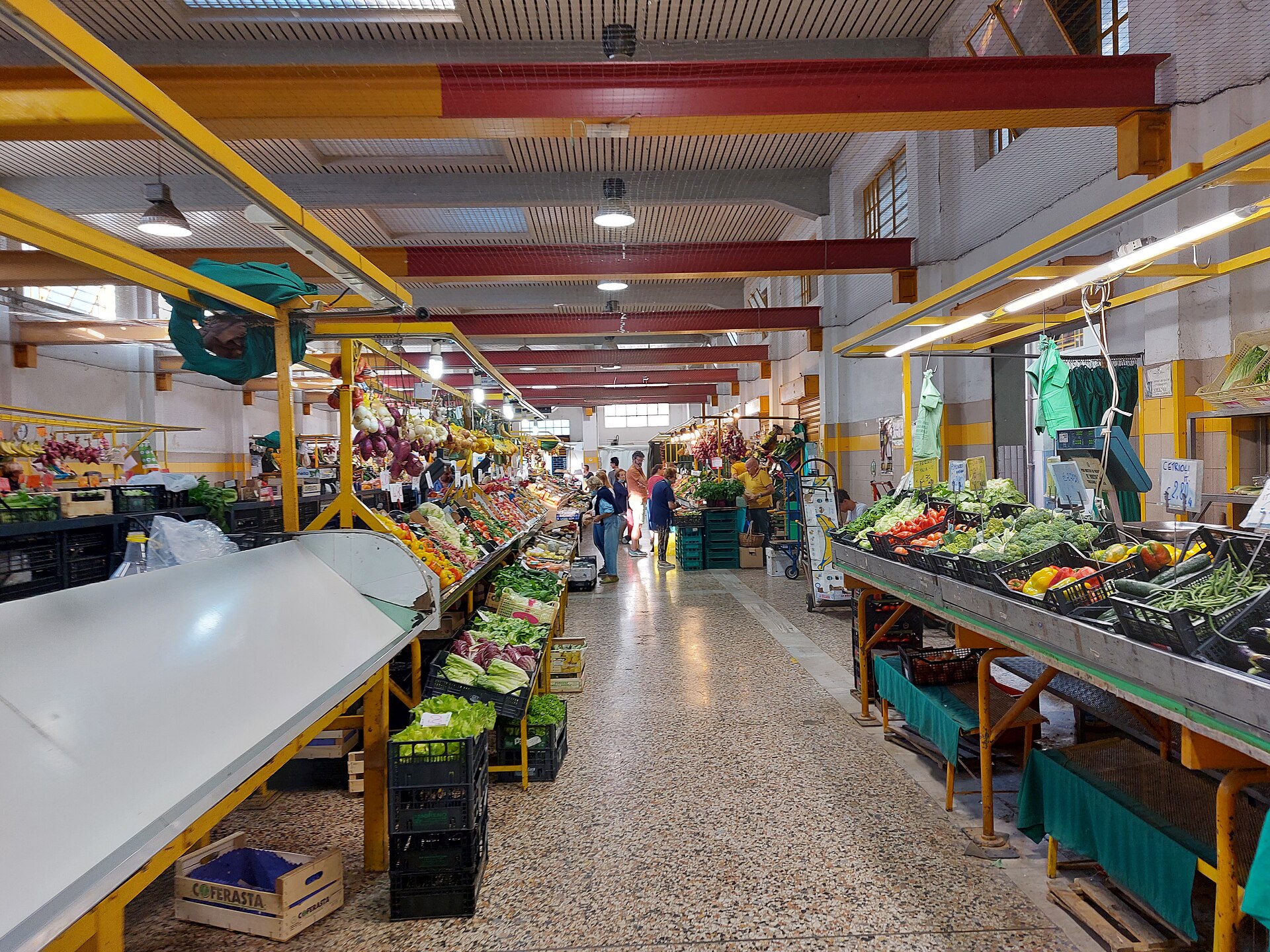
- Markets and festivals. Como’s weekly market and the sagre, the village food festivals, are where you eat missoltini, polenta and miascia at their most honest. Chestnut festivals fill October weekends in the hill villages.
- Dietary needs. Pizzoccheri and polenta dishes are naturally gluten-free in spirit but often not in practice; ask. Vegetarians eat well on polenta, cheese and the alpine vegetable dishes, less well on the fish shore.
Veelgestelde vragen
What is the most famous food in Lake Como?
Missoltini, the lake’s sun-dried and pressed shad, grilled and served with polenta, is the dish most closely tied to Lake Como. The risotto with fried perch fillets is the most widely eaten. Both are on the menu of nearly every traditional restaurant on the lake.
What fish can you eat from Lake Como?
Perch, lavarello (whitefish), trout, agone (shad, eaten fresh or dried as missoltini), alborelle (bleak), tench and pike. Lavarello and perch are the everyday fish; agone is the one preserved into missoltini.
What wine is Lake Como known for?
Valtellina wines from the alpine valley behind the upper lake, made from Nebbiolo grapes. Valtellina Superiore DOCG (Sassella, Grumello, Inferno, Valgella) and the richer Sforzato di Valtellina are the names to know. Small local Terre Lariane wines are also produced around the lake itself.
What is a crotto?
A natural rock cellar with a constant flow of cool air from the mountain, historically used to store wine and cheese and now often run as a rustic restaurant. Crotti are found mainly on the western shore of Lake Como and on the upper lake, and they serve the most traditional local food.
Is Lake Como expensive to eat in?
It can be on the Bellagio and Como waterfronts. Away from the piers, in the crotti of the western shore, the trattorias of the eastern shore and the towns of the upper lake, a full meal of local dishes with a bottle of Valtellina wine costs no more than in any small Italian town.
Hungry for the rest of the lake? Our Lake Como itineraries show how to fit these meals between the villas and ferries, and the dorpenkaart takes you to every crotto village and fishing harbour mentioned here.