
科莫湖一日游:如何探索意大利北部最佳一日游路线
如果你们已经住在科莫湖,希望不更换酒店就能探索湖岸之外的目的地,这份指南正是为你们准备的。从科莫湖出发,一天之内即可抵达重要的文化城市、其他标志性湖泊,甚至瑞士的阿尔卑斯铁路线路,晚上再返回同一住宿。关键在于选择现实可行、与公共交通时间匹配、并符合你们旅行风格的行程:自由行、跟团游,或两者的合理结合。
本指南内容
这并不是科莫湖周边村庄的清单,而是专注于从科莫湖出发的跨区域及国际一日游,涵盖米兰、贝加莫、卢加诺、马焦雷湖、蒂拉诺与瓦尔泰利纳,以及通往圣莫里茨的伯尔尼纳线路。你们将找到实用的交通与行程信息、建议路线、客观的优缺点分析,以及清晰的决策原则,让一日游安排有序而不匆忙。
筑造你美好的一天在湖边
一日内通过真实的渡轮连接,串联数个村庄。.
概览:如何选择合适的一日游
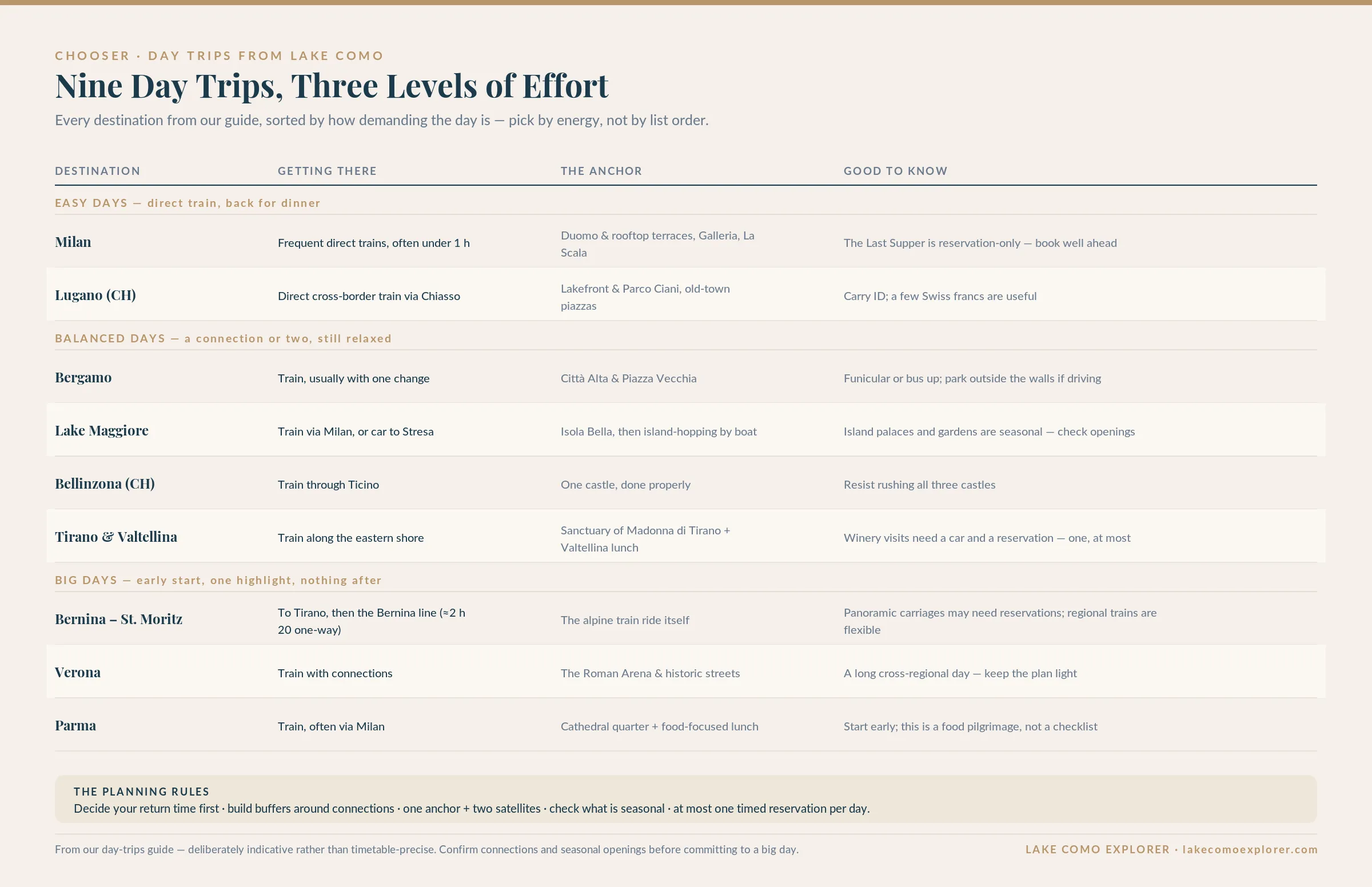
从科莫湖出发的最佳一日游取决于三个因素:你们的落脚点(在湖区的住宿位置)、对长时间出行的接受程度,以及最想体验的内容——城市文化、高山风景、另一处湖泊,或带有瑞士风情的氛围变化。
使用这个简单的决策框架:
- Easy day (low logistics, high comfort): choose a direct train destination such as Milan or Lugano. You can leave after breakfast and still be back for dinner without stress.
- Balanced day (more variety, still realistic): choose Bergamo or Lake Maggiore. Expect connections and slightly longer transfers, but the experience feels meaningfully different from Lake Como.
- Big day (long, unforgettable, very early start): choose the Bernina route to St. Moritz. This is a full commitment day with early trains and careful planning, but it delivers a once-in-a-lifetime level of scenery.
你们的住宿位置很重要。如果住在湖泊南端,通常可以最快到达主要铁路枢纽和跨境列车。如果住在湖中段或东岸,依然可以完成所有这些行程,但需要预留额外时间前往主要铁路枢纽(通常先乘火车到较大的车站)。在实际操作中,这意味着更早出发并留出缓冲时间。
规划要点:时间安排、购票与合理节奏
一日游的成败取决于时间安排。意大利北部和瑞士南部完全可以在一天内游览,但前提是你们需要遵循一些实用规则。
规则 1:先确定返程时间
在决定参观什么之前,先确定你们希望什么时候返回科莫湖。许多旅行者低估了平稳返程的价值,尤其是在城市游览之后。如果你们想在湖畔用晚餐,建议计划在傍晚或傍晚前返回。如果喜欢较晚用餐,也可以更晚返回,但前提是列车时刻表支持这一安排。
规则 2:在换乘之间预留缓冲时间
一旦需要换乘列车,一日游的容错空间就会降低。请为车站内的导航、站台转换以及小幅延误预留缓冲时间。对于轻松的一天,优先选择直达列车或换乘较少的目的地。对于较为复杂的行程(如伯尔尼纳线路),缓冲时间必须视为不可妥协的部分。
规则 3:采用 1 个核心点 + 2 个次要点
清晰的结构可避免行程仓促:
- Anchor: the main highlight (Duomo in Milan, Città Alta in Bergamo, Parco Ciani in Lugano, Isola Bella on Lake Maggiore, the Bernina train itself).
- Satellite 1: a second key stop that complements the anchor (a museum, viewpoint, neighbourhood, or garden).
- Satellite 2: a flexible, optional stop you can skip if timing slips (shopping street, café area, short boat ride, or extra museum).
规则 4:查看哪些内容具有季节性
有些体验具有明显的季节性。马焦雷湖上的岛屿宫殿和花园通常只在特定季节开放。山地景观始终存在,但冬季白天较短,天气也可能影响观景路线。在旺季,人群和排队会增加你们的“隐性时间成本”。
规则 5:保持简单的购票策略
大多数一日游的火车票可以在线购买,或在车站现场购买。对于时间要求严格的体验(如米兰《最后的晚餐》、伯尔尼纳全景车厢、部分博物馆入场),建议提前预订。如果你们不想被固定的出发时间所限制,应选择灵活车票,并避免安排过多有明确时间的参观项目。
米兰:文化、地标、购物与开胃酒时光
米兰是从科莫湖出发最轻松的一日城市行程,也是全年最稳定可靠的选择。火车行程时间短,城市内高影响力景点密集,你们可以根据自身重点来安排一天:建筑、艺术、设计、购物,或只是感受城市氛围。
如何到达
从科莫湖地区出发,前往米兰的列车通常全天班次频繁。具体行程时间因线路和服务而异,但快速直达列车往往不到一小时即可到达。抵达后,米兰的地铁系统让城市内的出行变得简单,如果你们按区域规划行程,许多主要景点都可以步行游览。
最适合
- 首次到访、希望体验与湖区形成“城市对比”的游客
- 建筑与地标爱好者(大教堂、拱廊)
- 博物馆、画廊与设计文化
- 购物与开胃酒时光
现实可行的一日行程(节奏均衡,不匆忙)
Morning (Anchor): Start at the Duomo area. Visit the cathedral and, if weather is clear, go up to the rooftop terraces. The terraces are one of the most memorable Milan experiences because they are both architectural and panoramic.
Midday (Satellite 1): Walk through the Galleria Vittorio Emanuele II and continue toward La Scala. If you are interested, add a museum visit; if not, use this time for a relaxed lunch and street-level exploration.
下午(选择其一):
- Art option: Santa Maria delle Grazie for “The Last Supper” (only if you have a reservation) plus a calm stroll nearby.
- History option: Castello Sforzesco and Parco Sempione for a mix of city history and green space.
- 设计选项: A design district walk (choose one neighbourhood rather than attempting several).
Evening (Satellite 2): Navigli for aperitivo and canal atmosphere. Then return to the station for your train back to Lake Como.
米兰实用小贴士
- 不要试图“打卡”所有著名景点。米兰更青睐有节奏、有取舍的游览方式,而非清单式旅游。
- 最多只安排一个有固定时间的预约(例如《最后的晚餐》)。过多的时间限制会带来压力。
- 在傍晚开胃酒之前先规划好返程路线,这样就不用临时查看时刻表。
贝加莫:中世纪上城区与全景视野
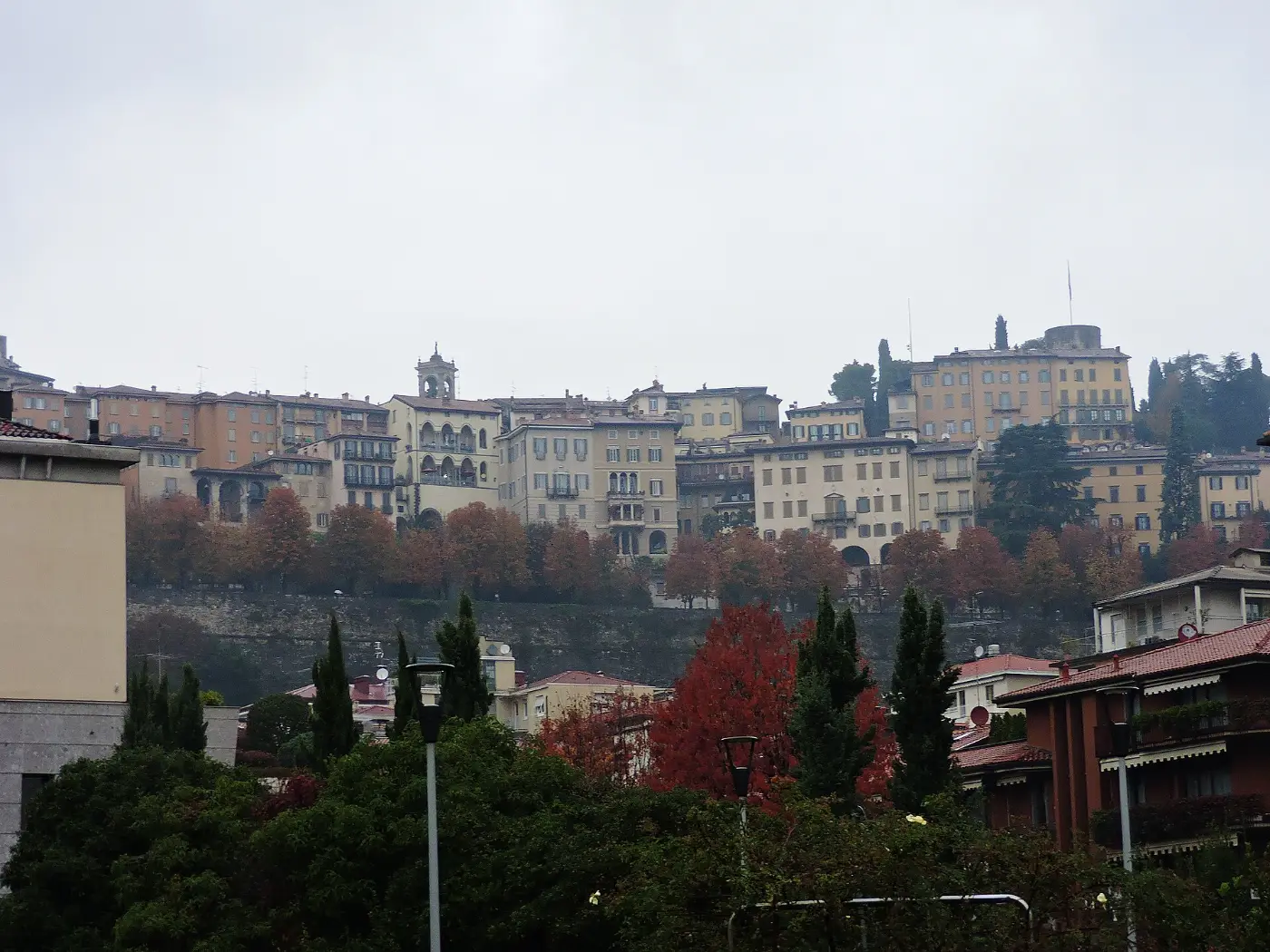
贝加莫是最值得的一日游目的地之一,适合希望体验氛围、历史层次与全景视野,却不想面对大都市强度的游客。上城(Città Alta)仿佛悬于现代城市之上的独立历史世界,拥有鹅卵石街道、优雅的广场,以及沿着威尼斯城墙分布的观景点。
如何到达
贝加莫可通过火车(通常至少需要一次换乘)或自驾抵达。到达后,最理想的方式是前往上城(Città Alta),并将大部分时间安排在那里。下城也很宜人,但上城才是最具代表性的体验。
最适合
- 希望体验历史山城氛围、但不想深入偏远乡村地区的旅行者
- 全景视野与极具摄影感的街道
- 比米兰更安静的替代选择
现实可行的一日行程(节奏均衡,不匆忙)
Morning (Anchor): Go straight to Città Alta. Start with the main square area (Piazza Vecchia) and the surrounding historic buildings. The atmosphere here is the highlight—move slowly and let the city reveal itself.
Midday (Satellite 1): Visit the Basilica di Santa Maria Maggiore and the Colleoni Chapel. Then enjoy a traditional lunch in a classic osteria.
Afternoon (Satellite 2): Walk along the Venetian walls and viewpoints. If you have time and energy, add a bell tower climb or a small museum, but keep it optional. Return to the lake before the evening becomes rushed.
贝加莫实用建议
- 请专注于上城(Città Alta)。试图“平均安排上下城”会削弱一整天的体验质量。
- 请穿着舒适的鞋子——石板路和坡道本就是体验的一部分。
- 如果自驾,请将车停在历史城区外,并使用公共交通方式进入(缆车或公交车)。
卢加诺:瑞士湖畔优雅、公园与观景点
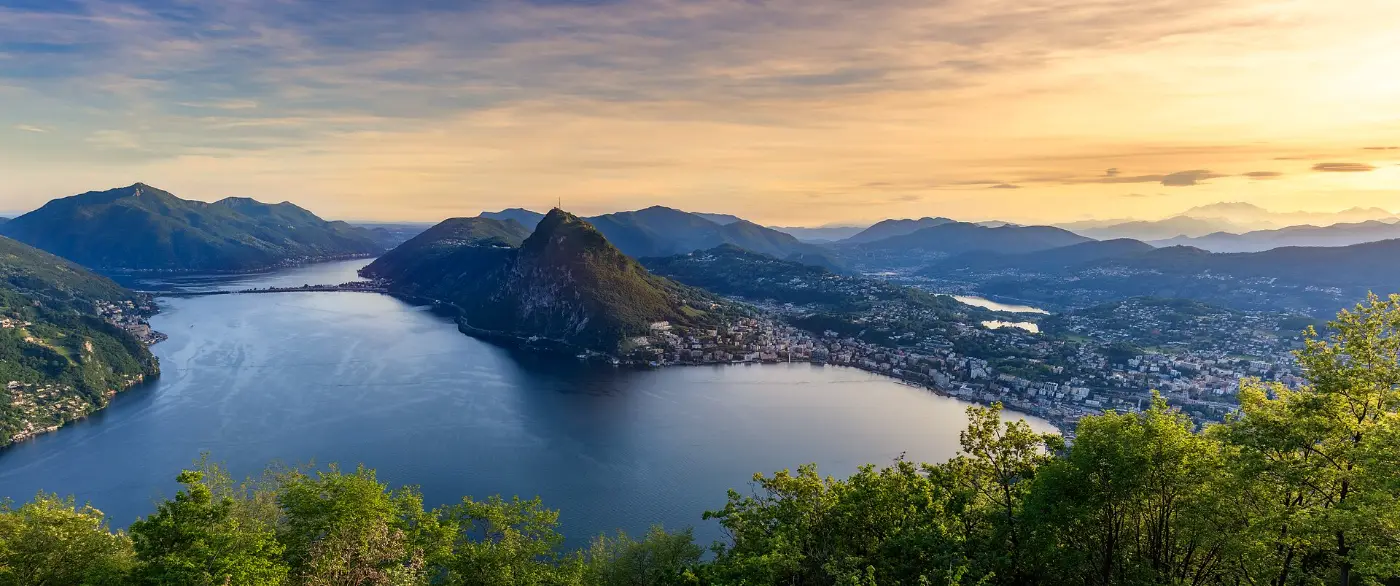
卢加诺是从科莫湖出发最轻松的一日国际行程。火车行程时间短,语言和饮食都很熟悉,但城市的组织方式和氛围明显带有瑞士特色。你们将体验一座整洁的湖畔城市,拥有出色的公园、观景点以及从容而精致的节奏。
如何到达
从科莫湖地区出发,通常可通过经由基亚索的直达跨境列车抵达卢加诺。行程时间往往远少于一小时,真正实现“早餐后出发、晚餐前返回”的一日行程。即使没有例行检查,也请携带有效的国际旅行身份证件。
最适合
- 希望无需长途旅行即可体验异国氛围的旅行者
- 湖畔步道、公园与轻松的城市漫步
- 可通过缆索铁路或短程电梯到达的观景点
现实可行的一日行程(节奏均衡,不匆忙)
Morning (Anchor): Walk the lakefront and Parco Ciani. This park is one of Lugano’s most enjoyable spaces—open lawns, lakeside paths, and framed views of mountains across the water.
Midday (Satellite 1): Explore the old town and central piazzas. Choose a simple lunch—either a classic café meal or a local spot that mixes Italian flavour with Swiss precision.
Afternoon (Satellite 2): Add one viewpoint experience if the weather is clear. Lugano’s surrounding hills can deliver wide panoramas that feel very “alpine” without requiring a major hike. Keep this optional: if clouds roll in, stay in the city and enjoy the atmosphere instead.
卢加诺实用建议
- 请携带银行卡,同时准备少量瑞士法郎,以便在小额消费时使用当地货币。
- 不要过度规划。放慢脚步、感受湖畔的节奏,才能真正享受卢加诺。
- 如果天气预报不理想,可以把观景点改为博物馆、咖啡馆,以及更长时间的老城漫步。
贝林佐纳:城堡与紧凑的瑞士老城区
如果你们喜欢瑞士的感觉,但希望体验比卢加诺更具历史感且更紧凑的目的地,贝林佐纳是一个极佳的选择。这里最引人注目的是三座城堡,在山谷景观中显得格外壮观。小镇本身规模不大,适合步行,非常适合希望一天行程主题清晰的旅行者:城堡、观景点,以及整洁的瑞士—意大利式氛围。
如何到达
贝林佐纳可通过提契诺州乘坐火车抵达。最适合安排为一日直达的铁路行程:抵达后专注参观城堡和老城区,然后直接返回,不要增加过多额外停靠。
最适合
- 历史爱好者与观景爱好者
- 希望体验一个主题鲜明、节奏宁静的瑞士一日游的旅客
- 选择短途徒步和城堡步道,而不是购物或博物馆
建议行程
Morning (Anchor): Choose one major castle as your anchor and explore it thoroughly rather than rushing three. Read the signage, walk the walls, and enjoy the elevated views.
Midday (Satellite 1): Lunch in the old town. Keep it simple and local.
Afternoon (Satellite 2): If energy and time allow, add a second castle or a viewpoint walk. Then return toward the lake with buffer time for trains.
马焦雷湖与博罗梅奥群岛:花园、宫殿与跳岛游
马焦雷湖展现出截然不同的湖泊气质:更开阔的湖岸、优雅的度假小镇,以及以宫殿和花园闻名的博罗梅奥群岛。对于喜爱园林景观和历史室内空间的旅行者来说,这里是极佳的一日游选择。它与科莫湖也有明显区别:光线不同、尺度不同,节奏也完全不同。
How to get there: The classic strategy is to reach Stresa and then use boats to island-hop. Getting to Stresa is possible by train (often via Milan) or by car. Once you arrive, the experience becomes very straightforward: buy boat tickets and move between islands at your chosen pace.
Best for: gardens, architecture, and romantic lake scenery; a “second lake” day that feels curated and elegant; travellers who enjoy slow walking, photo stops, and scenic boat rides.
Realistic full-day itinerary:
Morning (Anchor): Take a boat to Isola Bella and focus on the palace and gardens. This is the headline experience—give it real time and do not rush.
Midday (Satellite 1): Head to Isola dei Pescatori for lunch and a gentle walk through the tiny village lanes. This is a calmer, human-scale contrast to the formal grandeur of Isola Bella.
Afternoon (Satellite 2): If energy and opening hours allow, add Isola Madre for botanical gardens, then return to Stresa and begin your trip back to Lake Como.
Practical tips for Lake Maggiore: Check seasonal openings for the palaces and gardens before you commit to the day. In peak season, arrive earlier to avoid queues for boats and ticket lines. Do not attempt to add extra towns “because you are already there”—lake days become stressful when you overextend.
蒂拉诺与瓦尔泰利纳:阿尔卑斯山谷风味与景色
如果您想要一种更具本地感、少一些“旅游打磨”的体验,瓦尔泰利纳山谷是一个极佳选择。这里是伦巴第的一片阿尔卑斯山区,以山地景观、梯田式葡萄园和丰盛质朴的饮食传统而闻名。蒂拉诺是经典的落脚点,因为它既是一座历史小镇,也是通往伯尔尼纳线路的门户。
How to get there: Tirano can be reached by train along the eastern side of the region or by car through the valley roads. It is a longer day than Milan or Lugano, but much less logistically complex than doing the full Bernina route to St. Moritz. If you want the “alpine valley” feeling without a full Switzerland commitment, Tirano and Valtellina deliver.
Best for: travellers who value authentic regional food and slower pacing; mountain landscapes and valley scenery; wine culture and rustic local identity.
Realistic full-day itinerary:
Morning (Anchor): Arrive in Tirano and explore the historic centre. Visit the Madonna di Tirano sanctuary and enjoy the architectural contrast to the lake towns.
Midday (Satellite 1): Lunch with a Valtellina signature dish. This region is best experienced through food as much as scenery.
Afternoon (Satellite 2): Add one structured experience: a short vineyard stop (if you have a car and a reservation), a scenic walk, or a relaxed café hour. Then return toward Lake Como with buffer time.
Practical tips for Valtellina: If you plan a wine tasting, reserve in advance and keep it to one winery to avoid timing stress. Mountain weather changes quickly—dress in layers even when the lake is warm. This is not the day for a tight schedule: let the valley feel slower.
伯尔尼纳线路至圣莫里茨:经典高山列车之旅
伯尔尼纳线路是从科莫湖出发可以完成的最震撼的一日游行程。但它也是最容易失败的一条路线,原因往往在于游客低估了时间安排。如果规划得当,这段旅程将令人难忘:一次完整的阿尔卑斯铁路体验,深入高山景观,却无需技术性徒步或多日行程。
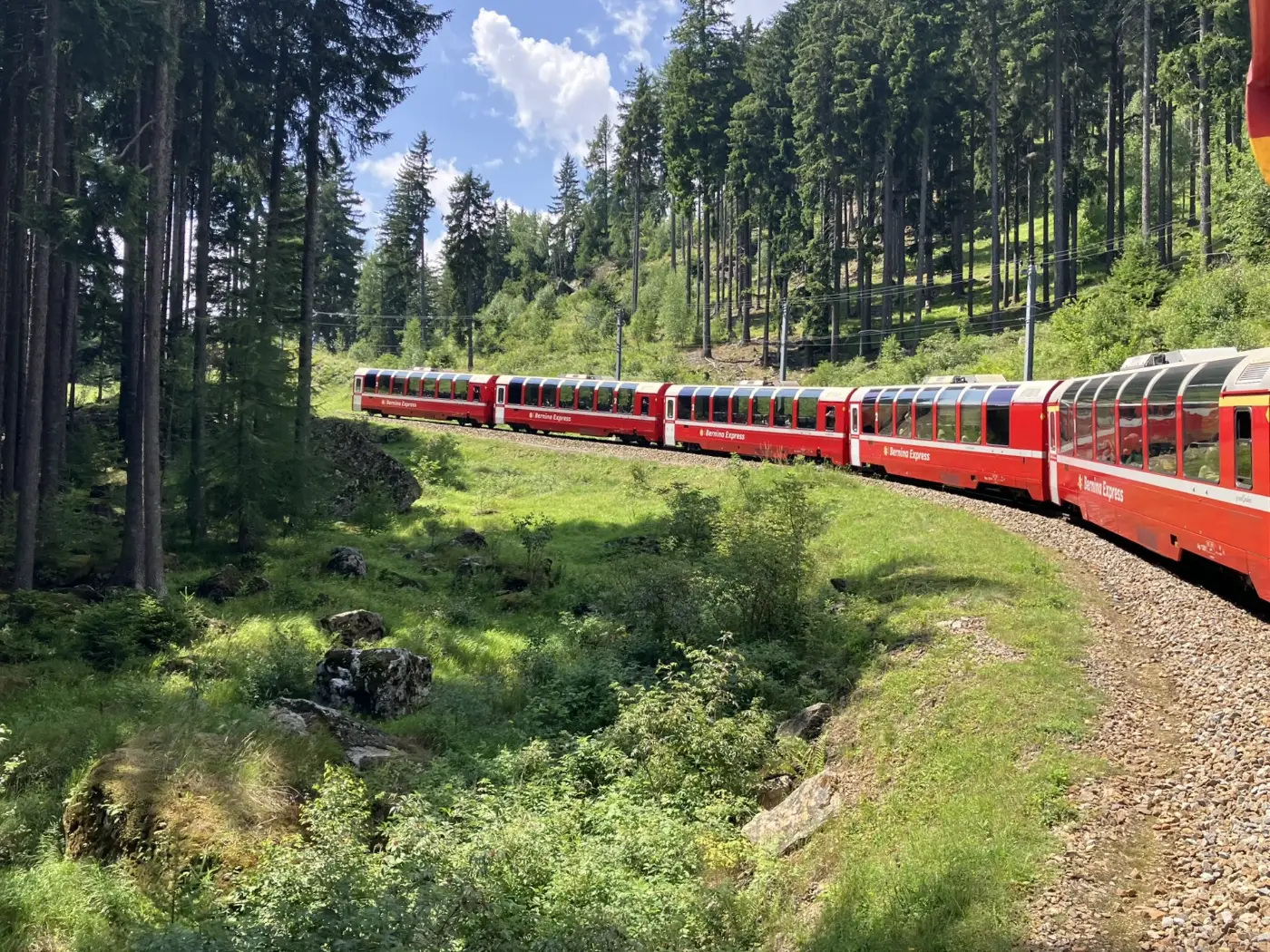
核心思路很简单:先抵达蒂拉诺,乘坐伯尔尼纳线路前往圣莫里茨,进行一次简短参观,然后沿原路返回。真正的执行需要自律:尽早出发,预留充足的时间缓冲,并且要有一个现实的预期——火车旅程本身才是重点,而不是在圣莫里茨停留的时间。
How to get there: Step one is reaching Tirano. Step two is boarding the Bernina line. The one-way rail journey on the Bernina line is typically around 2 hours and 20 minutes. If you choose panoramic carriages on a dedicated tourist service, you may need reservations; if you choose regular regional trains, you usually get more flexibility and more frequent departures. Both follow the same spectacular route.
Best for: travellers who want a once-in-a-lifetime scenic experience; alpine views, glaciers, viaducts, and dramatic landscapes; people happy to prioritise the journey over a long stop at the destination.
Realistic full-day itinerary (the version that actually works):
Early morning: Leave Lake Como early and arrive in Tirano with buffer time. Do not plan a long breakfast in Tirano. This is a logistics day.
Late morning to early afternoon (Anchor): Ride the Bernina line to St. Moritz. Sit on the best-view side if you can, but do not obsess: the route is scenic from both sides, and there are multiple visual peaks.
Afternoon (Satellite 1): In St. Moritz, do one simple experience: a lakefront walk and a coffee, or a short town stroll. Keep it calm. Your return still matters.
Late afternoon to evening (Satellite 2): Take the return train to Tirano and continue back to Lake Como. This is where buffer time saves you from stress.
Practical tips for the Bernina day: This is the day to avoid stacking extra stops—the train ride is the headline. Weather changes the experience: clear days deliver maximum drama; cloudy days can still be beautiful but less panoramic. If you prefer less risk, consider a guided tour that manages transfers and timing; if you prefer freedom, choose regional trains for flexibility.
维罗纳:古罗马竞技场与优雅的历史街道
维罗纳是一趟跨区域、行程较长的一日游,但非常适合想要体验一座精致历史城市的旅行者,这里拥有深厚的罗马遗产和优雅的街道。罗马竞技场是意大利最具代表性的圆形剧场之一,也是维罗纳最鲜明的象征。除了经典景点之外,维罗纳真正的魅力在于氛围:石桥、河景,以及为步行而设计的城市中心。
How to get there: Verona is typically reached by train with connections or by car along major routes. It works best for travellers who are comfortable with a long day and who want a single destination that is “all city,” with no additional complexity once you arrive.
Suggested itinerary:
Morning (Anchor): Arena area and the core historic streets around it.
Midday (Satellite 1): River walk and one major church or viewpoint.
Afternoon (Satellite 2): A flexible neighbourhood stroll and relaxed café time, then return to Lake Como.
帕尔马:美食文化、建筑与慢节奏魅力
帕尔马是一座适合一日游的城市,特别适合希望体验更柔和、更慢节奏城市氛围的旅行者。在这里,回报来自味觉与氛围,而不是高强度的打卡清单。帕尔马在国际上以美食文化闻名,同时也拥有精致的历史中心、优雅的广场,以及一种与米兰和湖区都截然不同的从容节奏。
How to get there: Parma is typically reached by train (often via Milan) or by car. Because it is farther than Milan or Bergamo, it works best if you start early and keep your plan simple once you arrive: one historic core walk, one food-focused experience, one relaxed break, and then return.
Suggested itinerary:
Morning (Anchor): Historic centre walk with the cathedral area as a focal point.
Midday (Satellite 1): A food-focused lunch and a short gourmet shopping stop.
Afternoon (Satellite 2): A park stroll or a museum, then begin the return.
公共交通还是自驾:哪种方式真正更合适
这两种方式都适合从科莫湖出发,但对应的旅行类型并不相同。
When public transport is best: City days such as Milan and Lugano are ideal by train—you avoid traffic, parking, and restricted zones. Trains also reduce stress for high-demand destinations where parking is difficult or expensive. For solo travellers or couples, the cost-benefit of a car often does not pay off for small groups.
When a car is best: A car can reduce connection complexity for a Lake Maggiore day depending on your base and route. It is also useful for Valtellina explorations if you want vineyards or small valley stops, and it suits travellers who prefer custom pacing: sunrise starts, flexible photo stops, and independence from timetables.
Reality check: the hidden costs of driving
Driving in Northern Italy can be efficient, but it also introduces friction: tolls, parking searches, city access restrictions, and the mental load of navigation. For many travellers, the train is simply more pleasant. A good strategy is mixed mode: do city and Switzerland days by train, and reserve driving for “countryside flexibility” days.
跟团游还是自由行:什么时候值得参加导览
通常来说,平衡的方式效果最好:简单的行程可以自行安排,而在复杂、风险较高的日子里,选择跟团游往往能真正降低不确定性。
DIY works best when: the destination is direct by train (Milan, Lugano); you want freedom to change plans based on weather or mood; you prefer slow pacing, long lunches, and flexible return times.
Guided tours are worth it when: the day includes multiple transfers and tight timing (the Bernina day from certain bases); you want tickets and logistics handled end-to-end with minimal thinking; you value curated commentary and a “best-of” route without research.
最常见的行程规划错误之一,是为本就可以轻松乘火车到达的目的地预订跟团游。应把跟团游留给那些真正能创造价值的日子,而不仅仅是提供行程结构。
常见错误需避免
Overstacking highlights: The fastest way to ruin a day trip is adding “just one more stop.” Use one anchor, two satellites, and protect your return.
Ignoring seasonality: Gardens, islands, and some attractions have seasonal opening periods. Always verify before committing.
No buffer time: Connections are where stress happens. Buffer time is not wasted time—it is the difference between calm travel and panic.
Wrong day for the wrong weather: Save panoramic trains and viewpoint days for clear forecasts when possible. Use cloudy days for cities and museums.
Late starts for big days: The Bernina route is not an afternoon idea. If you cannot start early, choose a different day trip.
科莫湖一日游常见问题解答
How many day trips should I plan during a short Lake Como stay?
If you have three to five nights on Lake Como, plan two day trips beyond the lake and keep at least one full day for a slower lakeside rhythm. A strong mix is one city day (Milan or Bergamo) plus one “special experience” day (Lugano or Lake Maggiore). If you want the Bernina route, make it the single “big day” and do not add another heavy day immediately after.
Which day trip is the easiest if I want zero stress?
Lugano is usually the simplest international day: short train ride, compact city, and a relaxed pace. Milan is also easy logistically, but it can feel intense due to crowds and the scale of the city. If you want calm, choose Lugano.
Is the Bernina route to St. Moritz realistic as a day trip?
Yes, but it is a long day and it must be planned properly. The train journey is the main event, and your time in St. Moritz will be limited. If you start late or try to add extra stops, the day becomes stressful. If you want an unforgettable scenic experience and you are comfortable with an early start, it is worth it.
Should I rent a car for these day trips?
Not necessarily. Trains are excellent for city days and for Switzerland. A car is most useful when you want countryside flexibility (for example, deeper Valtellina stops or certain Lake Maggiore routing depending on your base). If you dislike driving, public transport will cover most classic day trips well.
Do I need a passport to go to Switzerland for the day?
You should carry valid identification for international travel. While there may not be routine border checks, you can still be asked for ID, especially on cross-border trains. Carry your passport or an appropriate national ID document.
What are the best months for day trips from Lake Como?
Late spring and early autumn are ideal for day trips: mild temperatures, comfortable walking conditions, and strong daylight. Summer works well but adds crowds and queues. Winter is calmer and atmospheric for cities, while alpine routes can be spectacular in snow—just remember that daylight is shorter and weather is more variable.
How do I choose between Milan and Bergamo?
Choose Milan if you want major landmarks, museums, shopping, and high-energy city life. Choose Bergamo if you want medieval atmosphere, panoramic viewpoints, and a calmer historic core that feels curated and walkable without being overwhelming.
How do I avoid the “rushed day trip” feeling?
Pick one anchor experience, add two optional satellites, and decide your return time before you start the day. Avoid stacking timed reservations, build buffers for transfers, and keep at least one “slow” moment (a long lunch, a park walk, a lakefront café). Those pauses are what make the day feel elegant rather than exhausting.