
코모 호수에서 즐기는 당일치기 여행: 북부 이탈리아 최고의 당일치기 여행지 발견하기
이미 코모 호수에 머물고 있으며 숙소를 옮기지 않고 호숫가 너머까지 둘러보고 싶으시다면, 이 가이드는 여러분을 위해 준비되었습니다. 코모 호수에서 출발해 하루 만에 주요 문화 도시와 다른 대표적인 호수, 나아가 스위스 알프스 철도 노선까지 다녀온 뒤 매일 같은 숙소로 돌아올 수 있습니다. 핵심은 대중교통 일정에 맞고 여행 스타일에 적합한 현실적인 일정 선택입니다. 자유 여행, 가이드 투어, 또는 두 가지의 균형 잡힌 조합 중에서 고르시면 됩니다.
이 가이드에서 다루는 내용
이 글은 코모 호수 인근 마을 목록이 아닙니다. 대신 밀라노, 베르가모, 루가노, 마조레 호수, 티라노와 발텔리나, 그리고 생모리츠로 이어지는 베르니나 노선처럼 코모 호수에서 출발하는 광역·국제 당일치기 여행만을 다룹니다. 실용적인 이동 정보, 추천 일정, 솔직한 장단점, 명확한 선택 기준을 제공해 당일 여행이 서두르지 않고 체계적으로 느껴지도록 돕습니다.
호수에서 하루를 보내세요
실제 페리 연결을 사용하여 하루에 여러 마을을 연결하세요.
개요: 알맞은 당일치기 여행 선택법
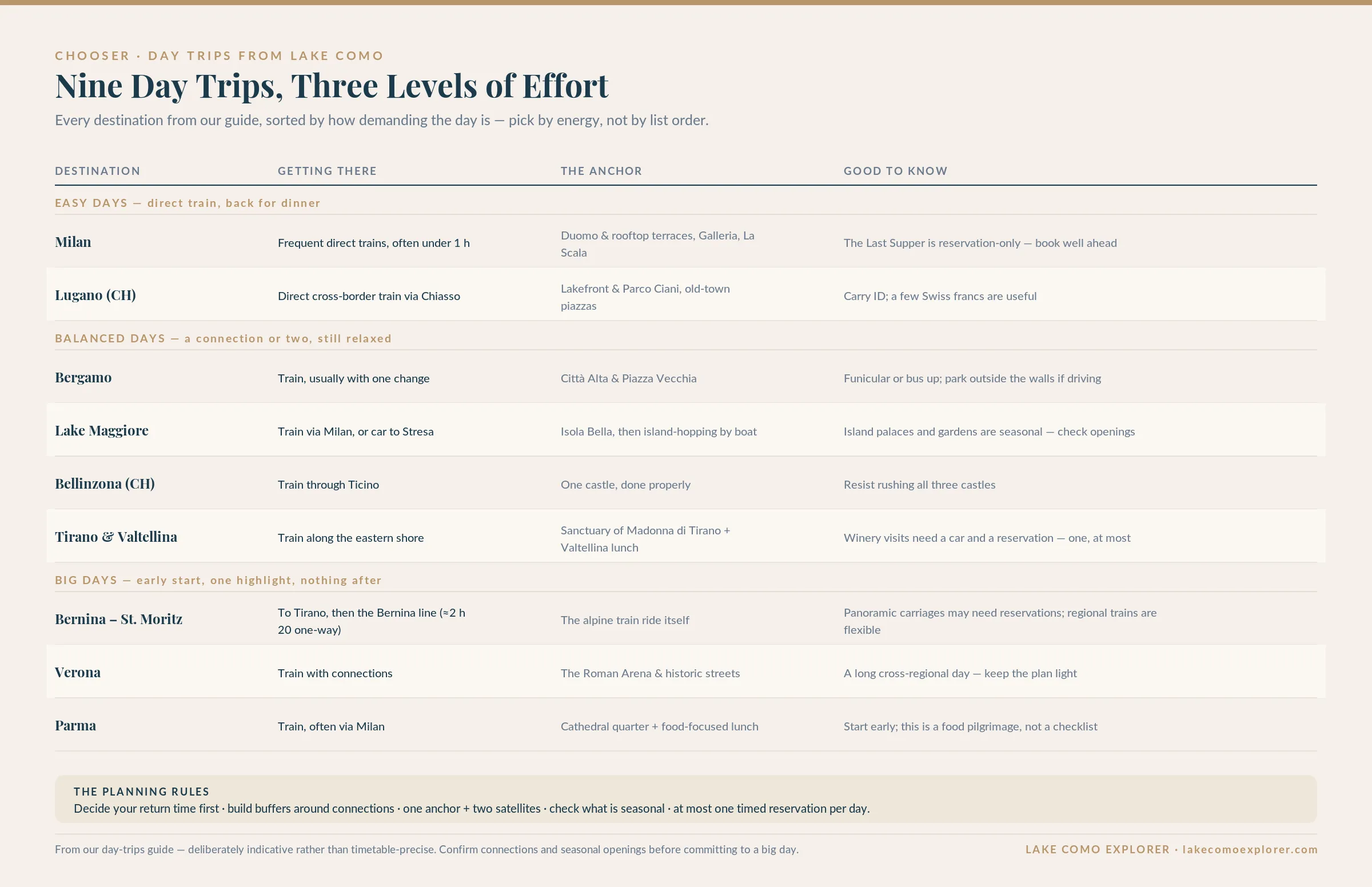
코모 호수에서 떠나는 최고의 당일치기 여행은 세 가지 요소에 따라 달라집니다. 호수 내 숙소 위치, 긴 이동 일정에 대한 수용도, 그리고 가장 원하는 경험—도시 문화, 알프스 풍경, 또 다른 호수, 또는 스위스풍 분위기 변화입니다.
다음의 간단한 의사결정 프레임워크를 활용하세요:
- Easy day (low logistics, high comfort): choose a direct train destination such as Milan or Lugano. You can leave after breakfast and still be back for dinner without stress.
- Balanced day (more variety, still realistic): choose Bergamo or Lake Maggiore. Expect connections and slightly longer transfers, but the experience feels meaningfully different from Lake Como.
- Big day (long, unforgettable, very early start): choose the Bernina route to St. Moritz. This is a full commitment day with early trains and careful planning, but it delivers a once-in-a-lifetime level of scenery.
숙소 위치는 매우 중요합니다. 호수 남쪽 끝에 머무신다면 주요 철도 환승역과 국경을 넘는 열차에 가장 빠르게 접근할 수 있습니다. 호수 중간 지역이나 동쪽 호안에 머무시는 경우에도 모든 일정은 가능하지만, 주요 철도 허브(보통 더 큰 역)까지 이동하는 데 추가 시간이 필요합니다. 실제로는 더 이른 출발과 충분한 여유 시간을 확보해야 한다는 의미입니다.
계획 원칙: 시간 관리, 티켓, 현실적인 일정 pacing
당일치기 여행의 성패는 시간 관리에 달려 있습니다. 이탈리아 북부와 스위스 남부는 하루 일정으로 충분히 가능하지만, 몇 가지 실용적인 원칙을 받아들여야 합니다.
규칙 1: 먼저 ‘귀환 시간’을 정하세요
무엇을 볼지 정하기 전에, 코모 호수로 언제 돌아오고 싶은지를 먼저 결정하세요. 많은 여행자들이 특히 도시 일정 이후에 중요한 평온한 귀환의 가치를 과소평가합니다. 호숫가에서 저녁 식사를 원하신다면 늦은 오후나 이른 저녁에 돌아오는 일정을 계획하세요. 더 늦은 저녁을 선호하신다면 늦게 귀환할 수도 있지만, 열차 시간표가 이를 허용하는 경우에만 가능합니다.
규칙 2: 환승 구간에 여유 시간을 확보하세요
환승이 필요해지면 당일치기 여행은 훨씬 여유가 줄어듭니다. 역 내 이동, 승강장 변경, 소규모 지연을 대비해 충분한 버퍼 시간을 확보하세요. 간단한 일정이라면 직행 열차나 환승이 최소인 목적지를 우선하는 것이 좋습니다. 복잡한 일정(베르니나 노선)의 경우, 여유 시간은 절대 타협할 수 없는 요소로 간주해야 합니다.
규칙 3: 중심 지점 1곳 + 보조 지점 2곳을 활용하세요
명확한 구조는 촉박한 일정을 방지합니다:
- Anchor: the main highlight (Duomo in Milan, Città Alta in Bergamo, Parco Ciani in Lugano, Isola Bella on Lake Maggiore, the Bernina train itself).
- Satellite 1: a second key stop that complements the anchor (a museum, viewpoint, neighbourhood, or garden).
- Satellite 2: a flexible, optional stop you can skip if timing slips (shopping street, café area, short boat ride, or extra museum).
규칙 4: 계절적 요소를 확인하세요
일부 경험은 계절적 영향이 매우 큽니다. 마조레 호수의 섬에 있는 궁전과 정원은 보통 계절에 따라 개방 기간이 정해져 있습니다. 산악 풍경은 항상 볼 수 있지만, 겨울에는 낮이 짧고 날씨가 경관 노선에 영향을 줄 수 있습니다. 성수기에는 인파와 대기 줄로 인해 ‘숨은 시간 비용’이 증가 see.
규칙 5: 티켓 전략을 단순하게 유지하세요
대부분의 당일치기 여행에서는 기차표를 온라인이나 역에서 구매할 수 있습니다. 시간 제한이 있는 경험(밀라노의 ‘최후의 만찬’, 베르니나 노선의 파노라마 객차, 일부 박물관 입장)은 미리 예약하는 것이 좋습니다. 출발 시간을 고정하고 싶지 않다면 유연한 티켓을 선택하고, 시간 지정이 필요한 관광지를 과도하게 예약하지 않는 것이 중요합니다.
밀라노: 문화, 주요 명소, 쇼핑, 아페리티보
밀라노는 코모 호수에서 출발하는 대도시 당일치기 여행 중 가장 쉽고, 사계절 내내 가장 안정적으로 즐길 수 있는 목적지입니다. 기차 이동 시간이 짧고, 도시 안에 영향력 있는 명소가 밀집해 있어 건축, 예술, 디자인, 쇼핑, 혹은 분위기 감상 등 여러분의 우선순위에 맞게 하루를 구성할 수 있습니다.
가는 방법
코모 호수 지역에서 밀라노로 가는 열차는 하루 종일 비교적 자주 운행됩니다. 이동 시간은 노선과 열차 종류에 따라 다르지만, 빠른 직행 열차는 보통 한 시간 이내에 도착합니다. 도착 후에는 밀라노 지하철을 이용해 도시 내 이동이 간편하며, 하루 일정을 한 구역씩 나누어 계획하면 주요 명소 대부분을 도보로 둘러볼 수 있습니다.
추천 대상
- 호수와 대비되는 ‘대도시의 분위기’를 원하는 첫 방문 여행객
- 건축과 대표적 랜드마크를 즐기는 분들(두오모, 갤러리아)
- 박물관, 갤러리, 그리고 디자인 문화
- 쇼핑과 아페리티보
현실적인 하루 일정(균형 잡힘, 서두르지 않음)
Morning (Anchor): Start at the Duomo area. Visit the cathedral and, if weather is clear, go up to the rooftop terraces. The terraces are one of the most memorable Milan experiences because they are both architectural and panoramic.
Midday (Satellite 1): Walk through the Galleria Vittorio Emanuele II and continue toward La Scala. If you are interested, add a museum visit; if not, use this time for a relaxed lunch and street-level exploration.
오후(하나 선택):
- Art option: Santa Maria delle Grazie for “The Last Supper” (only if you have a reservation) plus a calm stroll nearby.
- History option: Castello Sforzesco and Parco Sempione for a mix of city history and green space.
- 디자인 옵션: A design district walk (choose one neighbourhood rather than attempting several).
Evening (Satellite 2): Navigli for aperitivo and canal atmosphere. Then return to the station for your train back to Lake Como.
밀라노 여행 실용 팁
- 모든 유명 명소를 ‘수집’하려 하지 마세요. 밀라노는 체크리스트식 관광보다 잘 조율된 일정의 속도를 더 보상해 줍니다.
- 시간이 정해진 예약은 최대 한 개로 제한하세요(예: ‘최후의 만찬’). 시간 지정 일정이 많을수록 스트레스가 커집니다。
- 저녁 아페리티보 전에 귀환 경로를 미리 계획해 두어, 막판에 시간표를 확인하느라 허둥대지 않도록 하세요.
베르가모: 중세 시대의 상부 도시와 파노라마 전망
베르가모는 대도시의 강도는 피하면서도 분위기, 역사적 깊이, 파노라마 전망을 원하는 여행자에게 매우 만족스러운 당일치기 여행지입니다. 상부 도시(치타 알타)는 현대 도시 위에 자리한 하나의 독립된 역사 세계처럼 느껴지며, 자갈길 골목, 우아한 광장, 베네치아 성벽을 따라 이어지는 전망 포인트가 인상적입니다.
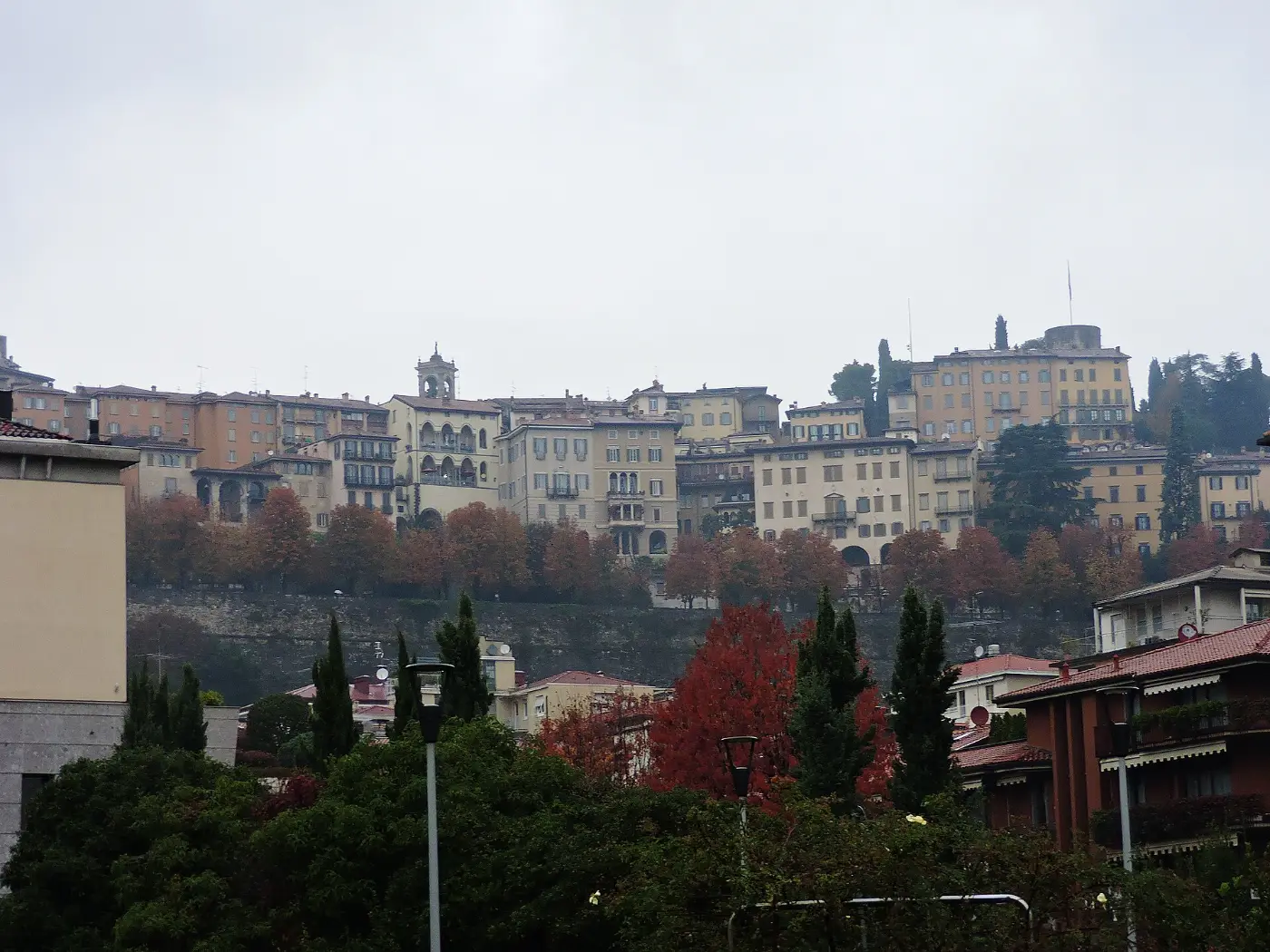
가는 방법
베르가모는 기차(대개 최소 한 번의 환승 필요)나 자동차로 이동할 수 있습니다. 도착 후에는 치타 알타로 올라가 그곳에서 대부분의 시간을 보내는 것이 가장 좋습니다. 하부 도시는 쾌적하지만, 대표적인 경험은 상부 도시에 있습니다.
추천 대상
- 시골 깊숙이 들어가지 않고도 역사적인 언덕 마을의 분위기를 느끼고 싶은 여행객
- 파노라마 전망과 사진 찍기 좋은 거리
- 밀라노보다 한적한 대안
현실적인 하루 일정(균형 잡힘, 서두르지 않음)
Morning (Anchor): Go straight to Città Alta. Start with the main square area (Piazza Vecchia) and the surrounding historic buildings. The atmosphere here is the highlight—move slowly and let the city reveal itself.
Midday (Satellite 1): Visit the Basilica di Santa Maria Maggiore and the Colleoni Chapel. Then enjoy a traditional lunch in a classic osteria.
Afternoon (Satellite 2): Walk along the Venetian walls and viewpoints. If you have time and energy, add a bell tower climb or a small museum, but keep it optional. Return to the lake before the evening becomes rushed.
베르가모 여행 실용 팁
- 치타 알타에 집중하세요. ‘두 지역을 똑같이 보려는’ 시도는 하루의 완성도를 떨어뜨립니다.
- 편안한 신발을 착용하세요—돌길과 오르막은 이곳의 일부입니다.
- 차량으로 이동하신다면 역사 지구 밖에 주차하고 대중교통(케이블카 또는 버스)을 이용하세요.
루가노: 스위스 호숫가의 우아함, 공원과 전망대
루가노는 코모 호수에서 출발하는 가장 부담 없는 국제 당일치기 여행지입니다. 기차 이동은 짧고 언어와 음식은 익숙하지만, 도시의 운영 방식과 분위기는 뚜렷하게 스위스적입니다. 잘 정돈된 호숫가 도시에서 훌륭한 공원과 전망 포인트, 세련된 속도의 여행을 즐기실 수 있습니다.
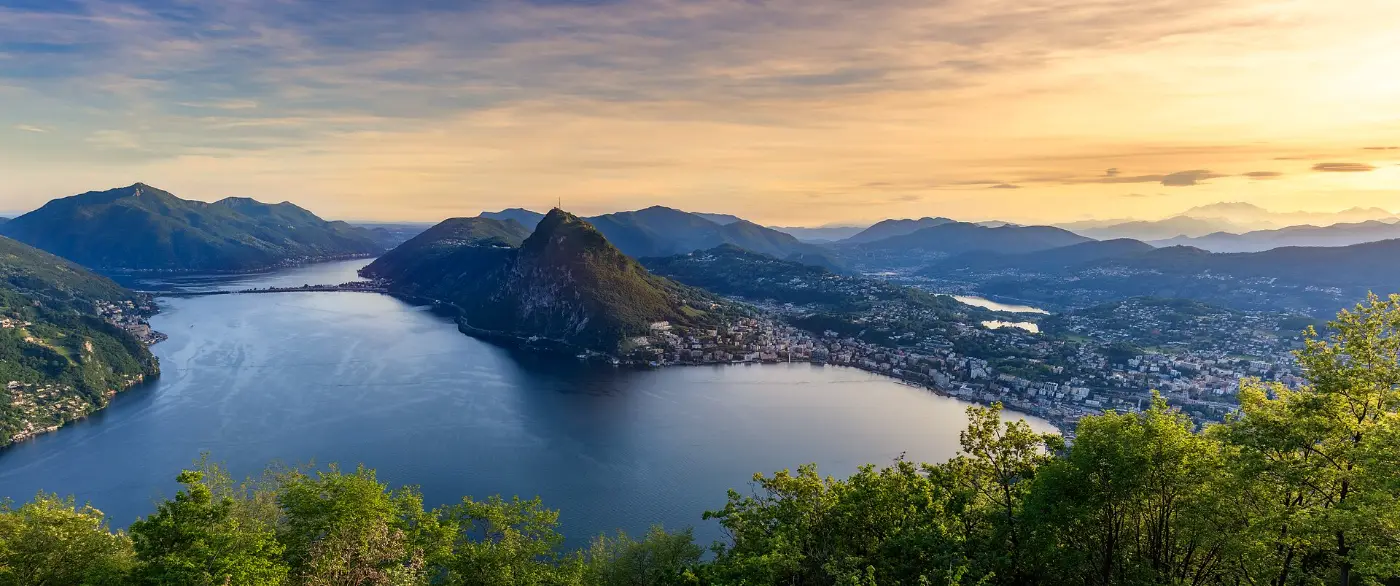
가는 방법
코모 호수 지역에서 루가노는 보통 키아소를 경유하는 직행 국제 열차로 이동합니다. 이동 시간은 대개 한 시간도 채 걸리지 않아 ‘아침 식사 후 출발해 저녁 식사 전에 돌아오는’ 이상적인 당일치기 일정이 가능합니다. 정기적인 검문이 없더라도 국제 이동이 가능한 유효한 신분증을 반드시 지참하세요.
추천 대상
- 장거리 이동 없이 외국에 온 듯한 분위기를 느끼고 싶은 여행객
- 호숫가 산책로, 공원, 그리고 여유로운 도시 산책
- 케이블카나 짧은 리프트로 접근 가능한 전망 포인트
현실적인 하루 일정(균형 잡힘, 서두르지 않음)
Morning (Anchor): Walk the lakefront and Parco Ciani. This park is one of Lugano’s most enjoyable spaces—open lawns, lakeside paths, and framed views of mountains across the water.
Midday (Satellite 1): Explore the old town and central piazzas. Choose a simple lunch—either a classic café meal or a local spot that mixes Italian flavour with Swiss precision.
Afternoon (Satellite 2): Add one viewpoint experience if the weather is clear. Lugano’s surrounding hills can deliver wide panoramas that feel very “alpine” without requiring a major hike. Keep this optional: if clouds roll in, stay in the city and enjoy the atmosphere instead.
루가노 여행 실용 팁
- 카드는 지참하되, 소액 결제 시 현지 통화를 선호하신다면 스위스 프랑을 소량 준비해 두세요.
- 과도하게 계획하지 마세요. 루가노는 천천히 움직이며 호숫가의 리듬을 즐길 때 가장 매력적입니다.
- 날씨 예보가 좋지 않다면 전망대 대신 박물관, 카페, 그리고 구시가지를 더 길게 산책하는 일정으로 바꾸세요.
벨린초나: 성곽과 아담한 스위스 구시가지
스위스의 분위기는 마음에 들지만 루가노보다 더 역사적이고 아담한 곳을 원하신다면, 벨린초나는 훌륭한 대안입니다. 가장 큰 볼거리는 계곡 풍경을 배경으로 극적인 모습을 보여주는 세 개의 성입니다. 도시는 규모가 작고 도보 이동이 쉬워, 성, 전망 포인트, 정돈된 스위스-이탈리아 분위기라는 분명한 테마로 하루를 보내고 싶은 여행객에게 이상적입니다.
가는 방법
벨린초나는 티치노를 경유하는 기차로 접근할 수 있습니다. 직행 철도 당일치기 일정이 가장 적합합니다. 도착 후에는 성과 구시가지에 집중하고, 추가적인 경유지는 최소화한 채 돌아오시기 바랍니다.
추천 대상
- 역사 애호가와 전망 명소를 찾는 분들
- 분명한 테마를 갖춘 조용한 스위스 하루를 원하는 여행자
- 쇼핑이나 박물관보다 짧은 하이킹과 성을 잇는 산책로
추천 일정
Morning (Anchor): Choose one major castle as your anchor and explore it thoroughly rather than rushing three. Read the signage, walk the walls, and enjoy the elevated views.
Midday (Satellite 1): Lunch in the old town. Keep it simple and local.
Afternoon (Satellite 2): If energy and time allow, add a second castle or a viewpoint walk. Then return toward the lake with buffer time for trains.
마조레 호수 & 보로메오 제도: 정원, 궁전, 아일랜드 호핑
마조레 호수는 전혀 다른 성격의 호수입니다. 더 넓은 호숫가, 우아한 휴양 도시들, 그리고 궁전과 정원으로 유명한 보로메오 제도가 특징입니다. 조경미와 역사적인 실내 공간을 좋아하는 여행자에게 가장 훌륭한 당일치기 여행지 중 하나입니다. 또한 코모 호수와는 분명히 다른 분위기를 지니고 있습니다. 빛도 다르고, 규모도 다르며, 흐르는 리듬 역시 다릅니다.
가는 방법: The classic strategy is to reach Stresa and then use boats to island-hop. Getting to Stresa is possible by train (often via Milan) or by car. Once you arrive, the experience becomes very straightforward: buy boat tickets and move between islands at your chosen pace.
추천 대상: gardens, architecture, and romantic lake scenery; a “second lake” day that feels curated and elegant; travellers who enjoy slow walking, photo stops, and scenic boat rides.
Realistic full-day itinerary:
Morning (Anchor): Take a boat to Isola Bella and focus on the palace and gardens. This is the headline experience—give it real time and do not rush.
Midday (Satellite 1): Head to Isola dei Pescatori for lunch and a gentle walk through the tiny village lanes. This is a calmer, human-scale contrast to the formal grandeur of Isola Bella.
Afternoon (Satellite 2): If energy and opening hours allow, add Isola Madre for botanical gardens, then return to Stresa and begin your trip back to Lake Como.
Practical tips for Lake Maggiore: Check seasonal openings for the palaces and gardens before you commit to the day. In peak season, arrive earlier to avoid queues for boats and ticket lines. Do not attempt to add extra towns “because you are already there”—lake days become stressful when you overextend.
티라노 & 발텔리나: 알프스 계곡의 풍미와 풍경
보다 현지적이고 ‘관광용으로 다듬어지지 않은’ 경험을 원하신다면 발텔리나 계곡은 훌륭한 선택입니다. 이곳은 롬바르디아의 알프스 지역으로, 산악 풍경과 계단식 포도밭, 든든한 전통 음식 문화로 잘 알려져 있습니다. 티라노는 역사적인 도시이자 베르니나 노선의 관문이기 때문에 대표적인 거점으로 여겨집니다.
가는 방법: Tirano can be reached by train along the eastern side of the region or by car through the valley roads. It is a longer day than Milan or Lugano, but much less logistically complex than doing the full Bernina route to St. Moritz. If you want the “alpine valley” feeling without a full Switzerland commitment, Tirano and Valtellina deliver.
추천 대상: travellers who value authentic regional food and slower pacing; mountain landscapes and valley scenery; wine culture and rustic local identity.
Realistic full-day itinerary:
Morning (Anchor): Arrive in Tirano and explore the historic centre. Visit the Madonna di Tirano sanctuary and enjoy the architectural contrast to the lake towns.
Midday (Satellite 1): Lunch with a Valtellina signature dish. This region is best experienced through food as much as scenery.
Afternoon (Satellite 2): Add one structured experience: a short vineyard stop (if you have a car and a reservation), a scenic walk, or a relaxed café hour. Then return toward Lake Como with buffer time.
Practical tips for Valtellina: If you plan a wine tasting, reserve in advance and keep it to one winery to avoid timing stress. Mountain weather changes quickly—dress in layers even when the lake is warm. This is not the day for a tight schedule: let the valley feel slower.
베르니나 노선으로 가는 생모리츠: 상징적인 알프스 열차 여행
베르니나 노선은 코모 호수에서 떠날 수 있는 가장 극적인 당일치기 여행입니다. 동시에 일정 시간을 과소평가할 경우 가장 자주 실패하는 코스이기도 합니다. 제대로 계획한다면 잊을 수 없는 경험이 됩니다. 기술적인 하이킹이나 여러 날의 일정 없이도 고산 풍경으로 올라가는 완전한 알프스 철도 여행을 즐길 수 있습니다.
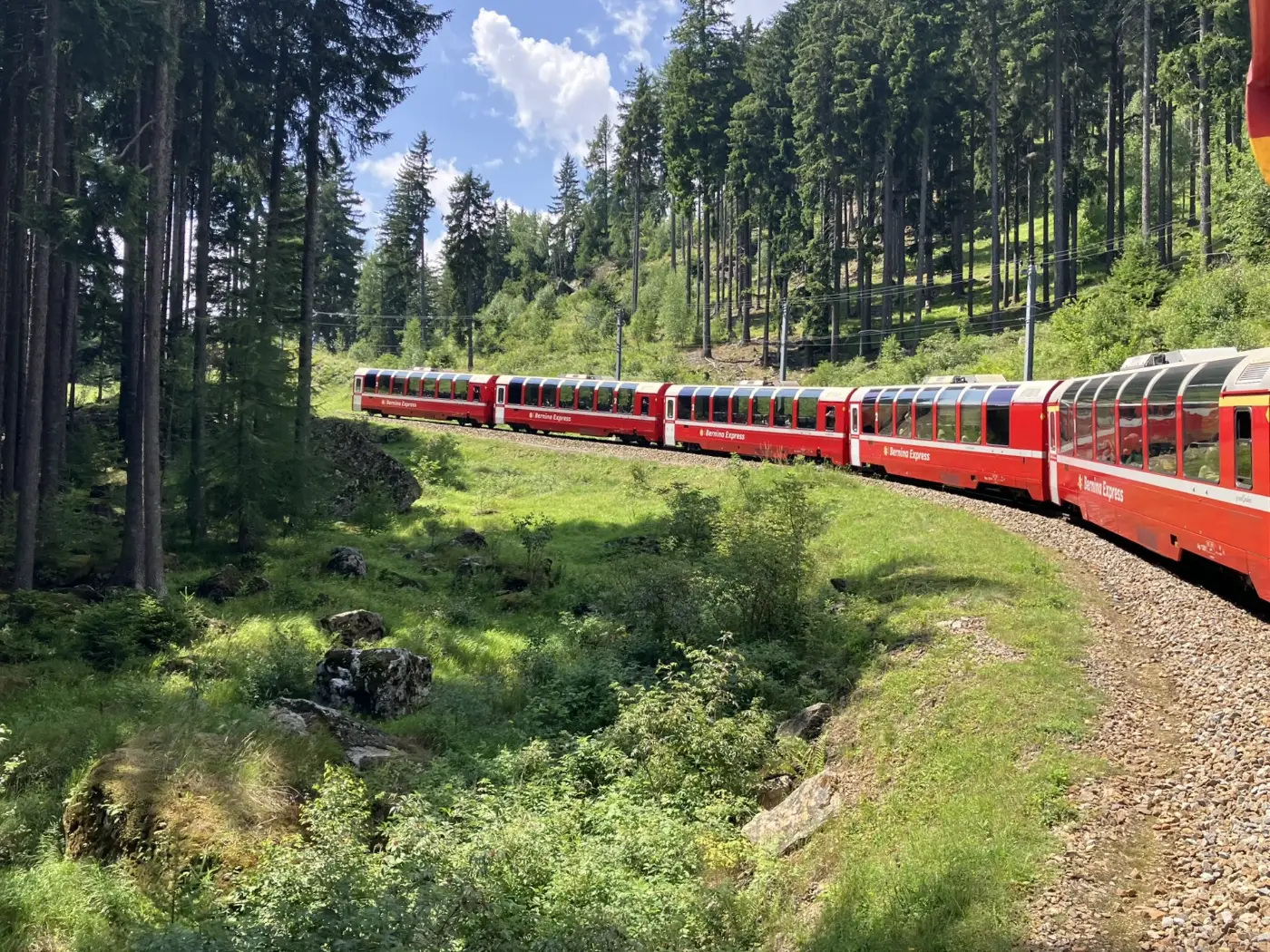
핵심 개념은 단순합니다. 티라노에 도착한 뒤 베르니나 노선을 타고 생모리츠까지 이동하고, 짧게 둘러본 후 같은 경로로 돌아옵니다. 그러나 실행에는 절제가 필요합니다. 이른 출발, 충분한 시간 여유, 그리고 열차 여행 자체가 핵심 경험이며 생모리츠 체류 시간은 부차적이라는 현실적인 기대가 중요합니다.
가는 방법: Step one is reaching Tirano. Step two is boarding the Bernina line. The one-way rail journey on the Bernina line is typically around 2 hours and 20 minutes. If you choose panoramic carriages on a dedicated tourist service, you may need reservations; if you choose regular regional trains, you usually get more flexibility and more frequent departures. Both follow the same spectacular route.
추천 대상: travellers who want a once-in-a-lifetime scenic experience; alpine views, glaciers, viaducts, and dramatic landscapes; people happy to prioritise the journey over a long stop at the destination.
Realistic full-day itinerary (the version that actually works):
Early morning: Leave Lake Como early and arrive in Tirano with buffer time. Do not plan a long breakfast in Tirano. This is a logistics day.
Late morning to early afternoon (Anchor): Ride the Bernina line to St. Moritz. Sit on the best-view side if you can, but do not obsess: the route is scenic from both sides, and there are multiple visual peaks.
Afternoon (Satellite 1): In St. Moritz, do one simple experience: a lakefront walk and a coffee, or a short town stroll. Keep it calm. Your return still matters.
Late afternoon to evening (Satellite 2): Take the return train to Tirano and continue back to Lake Como. This is where buffer time saves you from stress.
Practical tips for the Bernina day: This is the day to avoid stacking extra stops—the train ride is the headline. Weather changes the experience: clear days deliver maximum drama; cloudy days can still be beautiful but less panoramic. If you prefer less risk, consider a guided tour that manages transfers and timing; if you prefer freedom, choose regional trains for flexibility.
베로나: 로마 원형극장과 우아한 역사적 거리
베로나는 이동 시간이 더 긴 지역 간 당일치기 여행이지만, 로마 유산과 우아한 거리 풍경을 갖춘 정제된 역사 도시를 원하는 여행자에게 충분한 보상을 제공합니다. 로마 원형경기장은 이탈리아에서 가장 상징적인 원형극장 중 하나로, 오늘날까지도 베로나를 대표하는 상징입니다. 주요 명소를 넘어, 베로나의 진정한 강점은 분위기입니다. 돌다리, 강변 풍경, 그리고 걷기에 최적화된 도심이 이를 완성합니다.
가는 방법: Verona is typically reached by train with connections or by car along major routes. It works best for travellers who are comfortable with a long day and who want a single destination that is “all city,” with no additional complexity once you arrive.
Suggested itinerary:
Morning (Anchor): Arena area and the core historic streets around it.
Midday (Satellite 1): River walk and one major church or viewpoint.
Afternoon (Satellite 2): A flexible neighbourhood stroll and relaxed café time, then return to Lake Como.
파르마: 음식 문화, 건축, 느린 도시의 매력
파르마는 빠듯한 관광 체크리스트보다는 맛과 분위기를 중심으로 한 부드럽고 느린 도시 경험을 원하는 여행자에게 잘 어울리는 당일치기 여행지입니다. 파르마는 세계적으로 음식 문화로 알려져 있지만, 세련된 역사 중심지와 우아한 광장들, 그리고 밀라노나 호수 지역과는 확연히 다른 차분한 리듬 또한 제공합니다.
가는 방법: Parma is typically reached by train (often via Milan) or by car. Because it is farther than Milan or Bergamo, it works best if you start early and keep your plan simple once you arrive: one historic core walk, one food-focused experience, one relaxed break, and then return.
Suggested itinerary:
Morning (Anchor): Historic centre walk with the cathedral area as a focal point.
Midday (Satellite 1): A food-focused lunch and a short gourmet shopping stop.
Afternoon (Satellite 2): A park stroll or a museum, then begin the return.
대중교통 vs 자동차: 실제로 더 효과적인 선택은 무엇인가
두 가지 접근 방식 모두 코모 호수에서 출발할 수 있지만, 각기 다른 여행 유형에 더 적합합니다.
When public transport is best: City days such as Milan and Lugano are ideal by train—you avoid traffic, parking, and restricted zones. Trains also reduce stress for high-demand destinations where parking is difficult or expensive. For solo travellers or couples, the cost-benefit of a car often does not pay off for small groups.
When a car is best: A car can reduce connection complexity for a Lake Maggiore day depending on your base and route. It is also useful for Valtellina explorations if you want vineyards or small valley stops, and it suits travellers who prefer custom pacing: sunrise starts, flexible photo stops, and independence from timetables.
Reality check: the hidden costs of driving
Driving in Northern Italy can be efficient, but it also introduces friction: tolls, parking searches, city access restrictions, and the mental load of navigation. For many travellers, the train is simply more pleasant. A good strategy is mixed mode: do city and Switzerland days by train, and reserve driving for “countryside flexibility” days.
가이드 투어 vs 자유 여행: 투어가 가치 있는 순간
균형 잡힌 접근 방식이 대체로 가장 효과적입니다. 단순한 일정은 개별적으로 진행하고, 복잡하고 위험 요소가 있는 날에는 실제로 부담을 줄여주는 가이드 투어를 고려하세요.
DIY works best when: the destination is direct by train (Milan, Lugano); you want freedom to change plans based on weather or mood; you prefer slow pacing, long lunches, and flexible return times.
Guided tours are worth it when: the day includes multiple transfers and tight timing (the Bernina day from certain bases); you want tickets and logistics handled end-to-end with minimal thinking; you value curated commentary and a “best-of” route without research.
가장 흔한 일정 계획 실수 중 하나는 이미 기차로 쉽게 갈 수 있는 목적지에 가이드 투어를 예약하는 것입니다. 가이드 투어는 단순한 일정 틀이 아니라 실제로 가치를 더해주는 날에만 활용하세요.
피해야 할 일반적인 실수
Overstacking highlights: The fastest way to ruin a day trip is adding “just one more stop.” Use one anchor, two satellites, and protect your return.
Ignoring seasonality: Gardens, islands, and some attractions have seasonal opening periods. Always verify before committing.
No buffer time: Connections are where stress happens. Buffer time is not wasted time—it is the difference between calm travel and panic.
Wrong day for the wrong weather: Save panoramic trains and viewpoint days for clear forecasts when possible. Use cloudy days for cities and museums.
Late starts for big days: The Bernina route is not an afternoon idea. If you cannot start early, choose a different day trip.
코모 호수 출발 당일 여행 관련 자주 묻는 질문
How many day trips should I plan during a short Lake Como stay?
If you have three to five nights on Lake Como, plan two day trips beyond the lake and keep at least one full day for a slower lakeside rhythm. A strong mix is one city day (Milan or Bergamo) plus one “special experience” day (Lugano or Lake Maggiore). If you want the Bernina route, make it the single “big day” and do not add another heavy day immediately after.
Which day trip is the easiest if I want zero stress?
Lugano is usually the simplest international day: short train ride, compact city, and a relaxed pace. Milan is also easy logistically, but it can feel intense due to crowds and the scale of the city. If you want calm, choose Lugano.
Is the Bernina route to St. Moritz realistic as a day trip?
Yes, but it is a long day and it must be planned properly. The train journey is the main event, and your time in St. Moritz will be limited. If you start late or try to add extra stops, the day becomes stressful. If you want an unforgettable scenic experience and you are comfortable with an early start, it is worth it.
Should I rent a car for these day trips?
Not necessarily. Trains are excellent for city days and for Switzerland. A car is most useful when you want countryside flexibility (for example, deeper Valtellina stops or certain Lake Maggiore routing depending on your base). If you dislike driving, public transport will cover most classic day trips well.
Do I need a passport to go to Switzerland for the day?
You should carry valid identification for international travel. While there may not be routine border checks, you can still be asked for ID, especially on cross-border trains. Carry your passport or an appropriate national ID document.
What are the best months for day trips from Lake Como?
Late spring and early autumn are ideal for day trips: mild temperatures, comfortable walking conditions, and strong daylight. Summer works well but adds crowds and queues. Winter is calmer and atmospheric for cities, while alpine routes can be spectacular in snow—just remember that daylight is shorter and weather is more variable.
How do I choose between Milan and Bergamo?
Choose Milan if you want major landmarks, museums, shopping, and high-energy city life. Choose Bergamo if you want medieval atmosphere, panoramic viewpoints, and a calmer historic core that feels curated and walkable without being overwhelming.
How do I avoid the “rushed day trip” feeling?
Pick one anchor experience, add two optional satellites, and decide your return time before you start the day. Avoid stacking timed reservations, build buffers for transfers, and keep at least one “slow” moment (a long lunch, a park walk, a lakefront café). Those pauses are what make the day feel elegant rather than exhausting.