Pianello del Lario, Lake Como: The Village of the Boat Museum
Pianello del Lario on Lake Como’s upper shore is home to the Museo della Barca Lariana, a remarkable collection of traditional Lake Como boats and craft.

Everything below is organised the way people actually plan a trip here: start with the essentials, pick what interests you, then browse the villages or dig into the latest articles further down.
The essentials, in the order most first-time visitors need them.
Jump straight to the kind of trip you’re planning.
A small selection to start with — the full map covers all 50.
Transport, timing and getting around without stress.
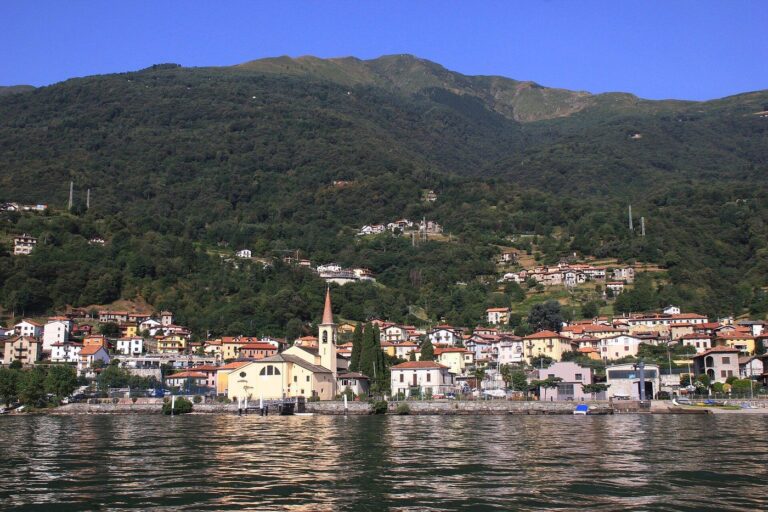
Pianello del Lario on Lake Como’s upper shore is home to the Museo della Barca Lariana, a remarkable collection of traditional Lake Como boats and craft.
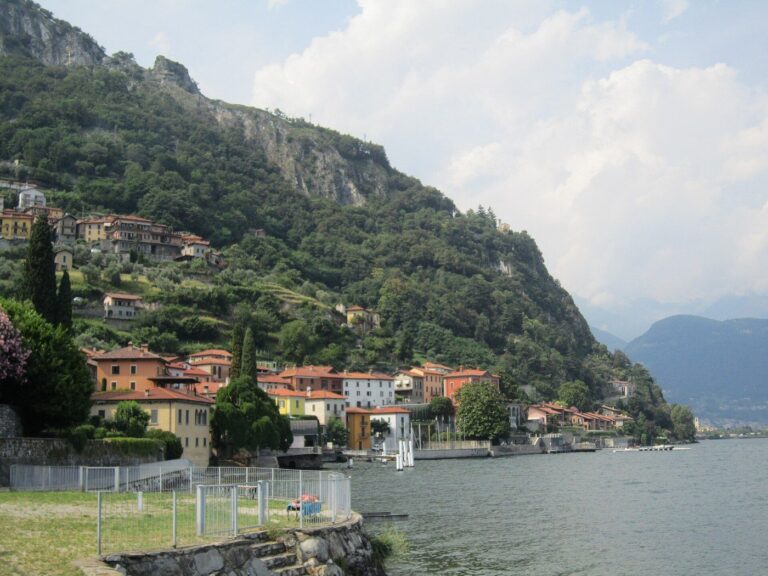
Musso on Lake Como’s upper western shore sits beneath the Sasso di Musso — a white crag crowned by the ruins of the castle from which a 16th-century warlord ruled.
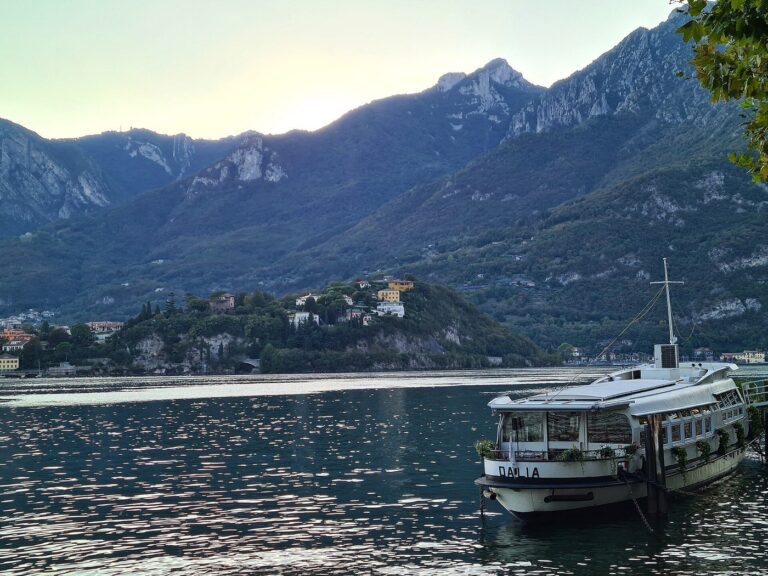
Valmadrera sits at the southern end of Lake Como’s Lecco arm — a quiet lakefront beneath the Corno Birone, and a gateway to walks in the surrounding peaks.
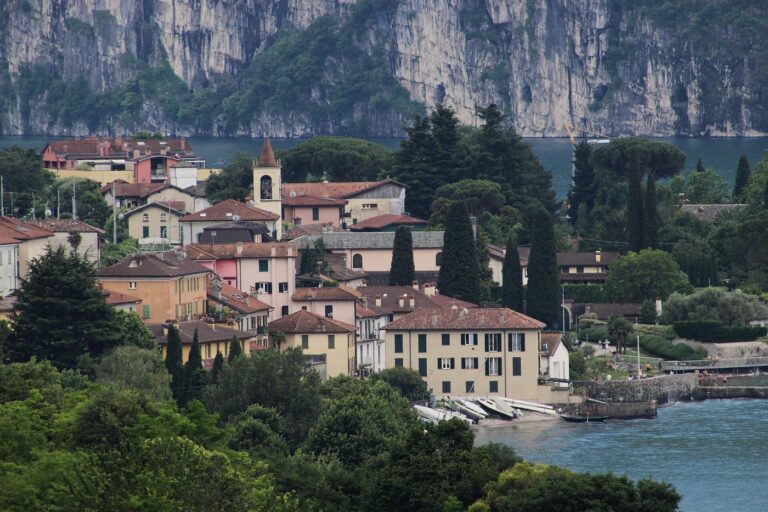
Abbadia Lariana on Lake Como’s Lecco arm keeps a rare working silk mill, a stretch of the Sentiero del Viandante, and quiet beaches beneath the Grigne.
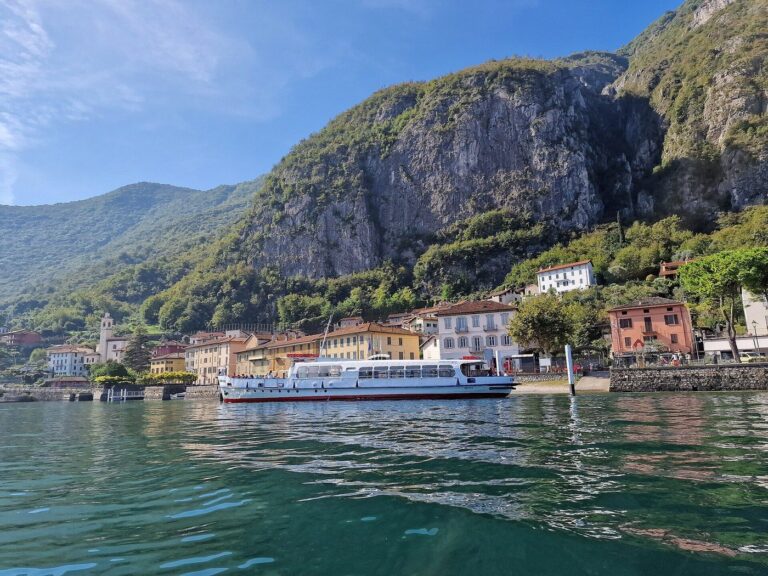
Oliveto Lario on Lake Como’s Lecco arm gathers three quiet hamlets — Onno, Vassena and Limonta — among olive groves, with swimming coves and mountain roads.
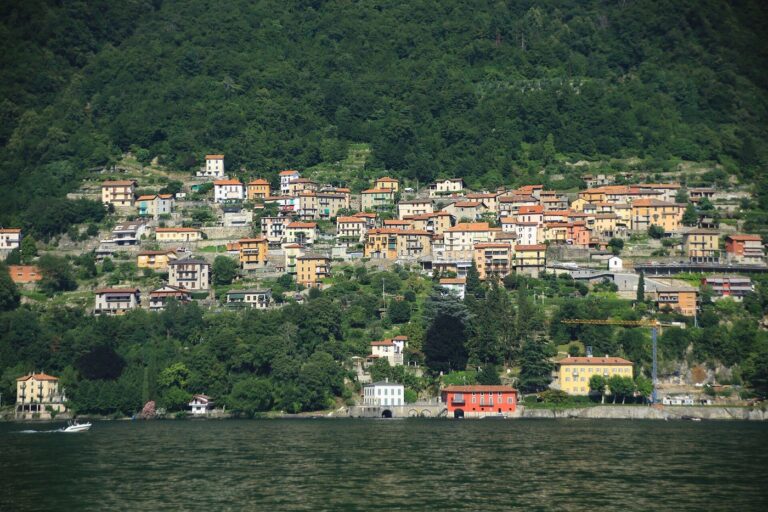
Pognana Lario is a small, quiet village on Lake Como’s eastern shore — terraced lanes, wide views across the water, and a peaceful base between Como and Nesso.
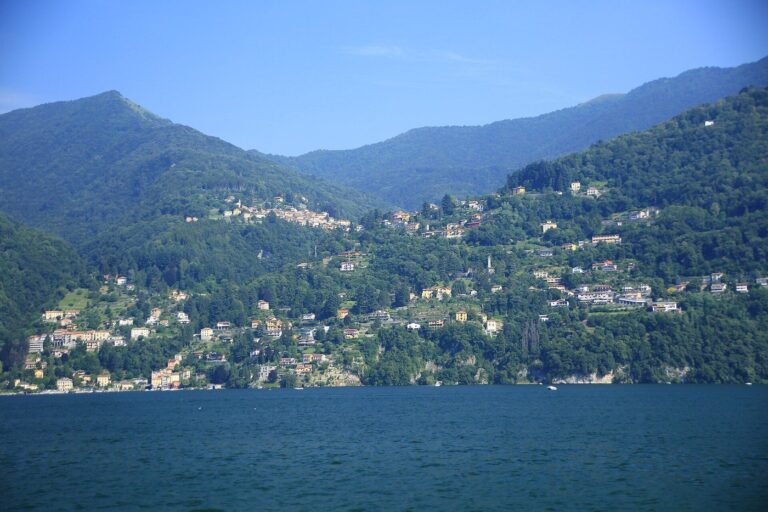
Faggeto Lario on Lake Como’s eastern shore is a group of quiet lakeside hamlets and a gateway to the trails of the Triangolo Lariano above Como.
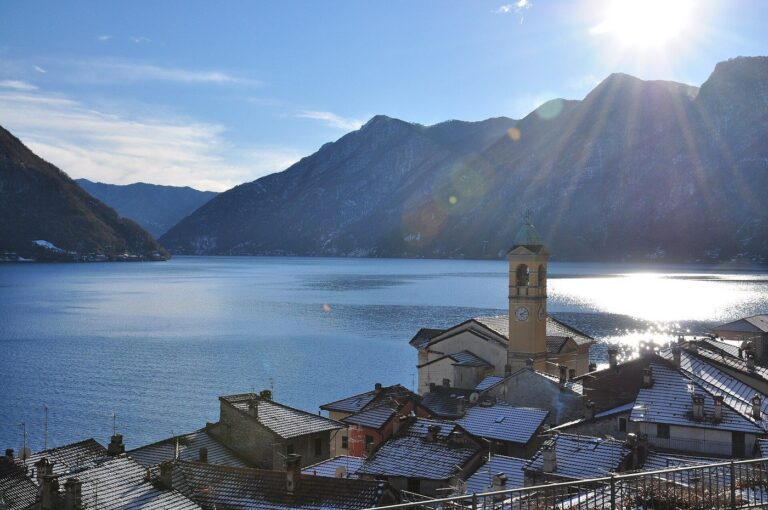
Colonno on Lake Como’s western shore marks the start of the Greenway del Lago — a quiet village of old lanes and a fine gateway to walking the Tremezzina.
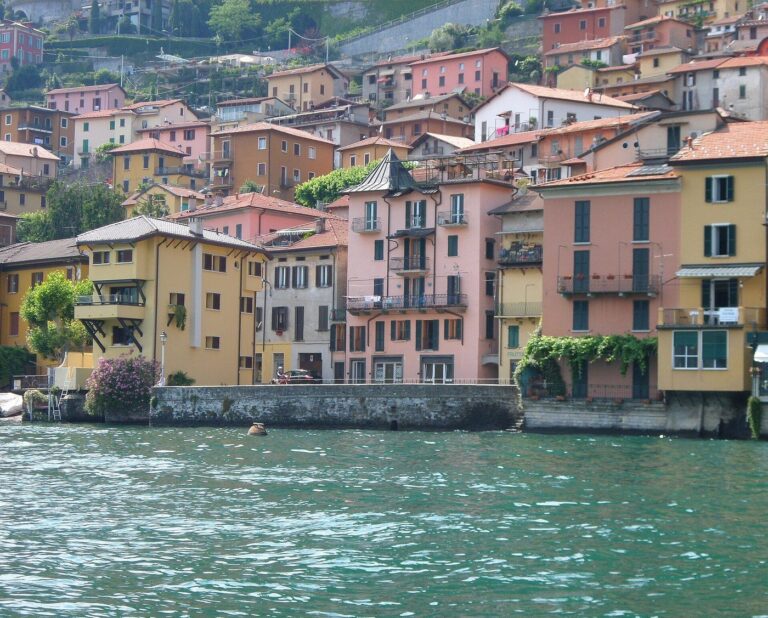
A short guide to Urio on Lake Como’s western shore — a quiet village of villas and lanes between Moltrasio and Laglio, its church, and the lakefront.
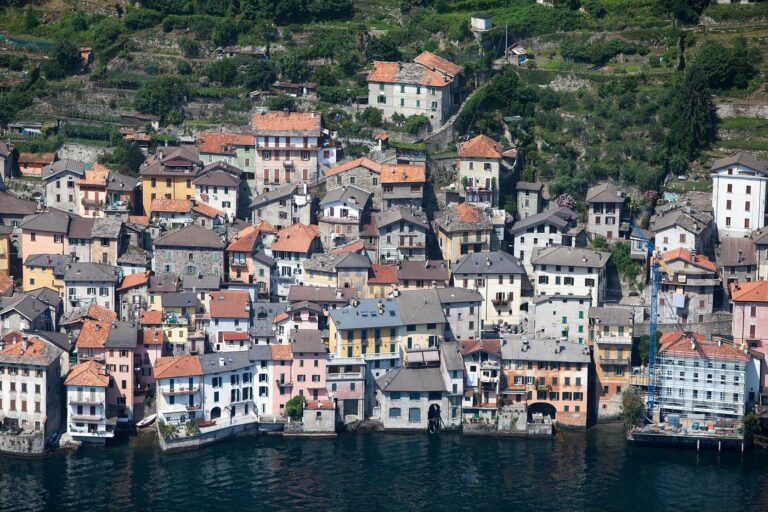
Brienno on Lake Como is a medieval village of covered passageways and houses rising straight from the water — a quiet, car-free corner of the western shore.
 English English English
  Italiano
  Español
  Deutsch
  Français
  العربية
  Português
  简体中文
简体中文  Nederlands
  日本語
日本語  한국어 English English English Italiano
Español
Deutsch
Français
العربية
Português
简体中文
Nederlands
日本語
한국어
한국어 English English English Italiano
Español
Deutsch
Français
العربية
Português
简体中文
Nederlands
日本語
한국어
We use cookies to analyse site traffic and improve your experience. Privacy Policy